Injuries whether from sports, work, or daily life, can disrupt your routine, limit mobility, and reduce overall quality of life. One increasingly popular and evidence-informed treatment option for both injury rehabilitation and prevention is Intramuscular Stimulation (IMS).
Also known as Intramuscular Stimulation, IMS is a specialized form of dry needling used to treat chronic pain and musculoskeletal dysfunction. In this article, we’ll explore how IMS works, its key benefits, and why it’s becoming a go-to therapy for athletes and active individuals alike.
What Is IMS (Intramuscular Stimulation)?
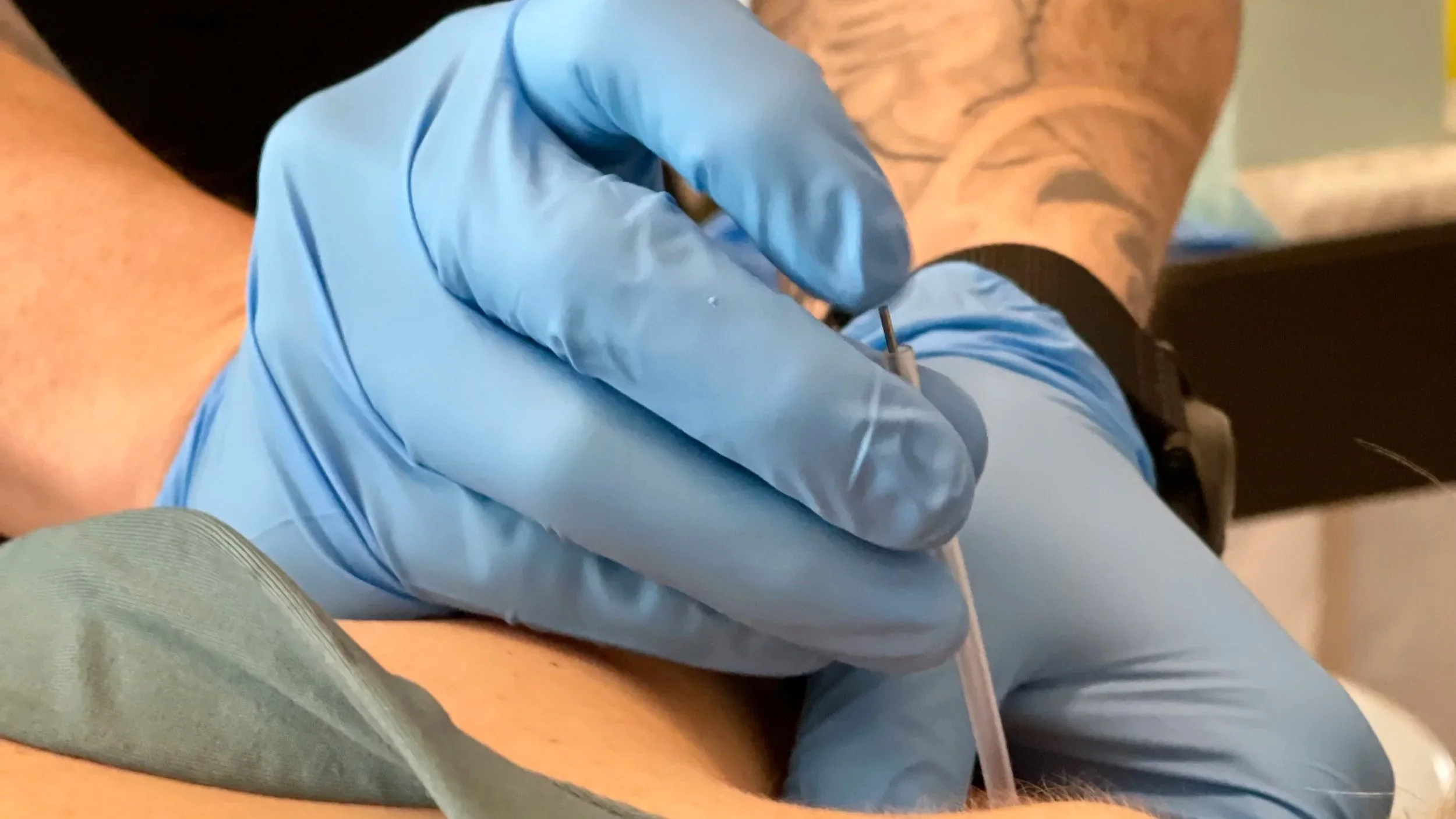
Intramuscular Stimulation (IMS) is a therapeutic technique that uses fine, sterile acupuncture needles inserted into tight or shortened muscles, often referred to as trigger points. Unlike traditional acupuncture, which is rooted in Traditional Chinese Medicine, IMS is based on Western medical principles and neurophysiology.
IMS was developed by Dr. Chan Gunn, who identified that many chronic pain conditions are linked to irritated nerves and shortened muscles. By stimulating these dysfunctional muscles, IMS helps reset nerve function, release tension, and restore mobility.
How IMS Works for Injury Rehabilitation
When a muscle is injured or overused, it can become tight and hypersensitive. This tightness reduces blood flow, restricts range of motion, and increases pain.
IMS works by:
Releasing muscle tightness through precise needle insertion
Improving blood circulation to injured tissues
Reducing nerve irritation
Restoring normal muscle length and function
The insertion of the needle creates a small, controlled micro-trauma that triggers the body’s natural healing response. This promotes tissue repair and accelerates recovery, making IMS highly effective for injury rehabilitation.
Conditions Commonly Treated with IMS
IMS is commonly used to treat a variety of musculoskeletal injuries, including:
Chronic neck and back pain
Sports injuries (e.g., hamstring strains, tennis elbow)
Shoulder impingement
Sciatica
Plantar fasciitis
Tendinitis and repetitive strain injuries
Because IMS targets the root cause, muscle shortening and nerve irritation, it often provides long-lasting relief rather than temporary symptom management.
The Benefits of IMS for Injury Rehabilitation
1. Faster Recovery Time
By stimulating healing at a neuromuscular level, IMS can shorten recovery timelines compared to passive treatments alone.
2. Reduced Pain Without Medication
IMS helps decrease muscle tension and nerve sensitivity naturally, reducing reliance on pain medications.
3. Improved Range of Motion
Releasing tight muscles restores flexibility and joint mobility is critical for full recovery.
4. Addresses the Root Cause
Rather than masking symptoms, IMS treats the underlying neuromuscular dysfunction contributing to pain.
IMS for Injury Prevention
Injury prevention is just as important as rehabilitation, especially for athletes and active individuals.
How IMS Helps Prevent Injuries:
Identifies and treats muscle imbalances early
Maintains optimal muscle length and flexibility
Reduces chronic tension before it leads to strain
Improves overall biomechanics and movement patterns
Tight, shortened muscles can alter movement mechanics and increase stress on joints and connective tissues. Regular IMS sessions, when recommended by a trained practitioner, can help keep muscles functioning optimally, reducing the risk of future injury.
Is IMS Safe?
When performed by a trained healthcare professional (such as a physiotherapist certified in IMS), the procedure is considered safe. Patients may experience mild soreness for 24–48 hours, similar to post-workout muscle soreness.
However, IMS may not be appropriate for everyone, including individuals with certain bleeding disorders or needle phobias. Always consult with a qualified provider to determine if IMS is right for you.
Who Can Benefit Most from IMS?
IMS is particularly beneficial for:
Athletes
Individuals with chronic pain
Office workers with postural strain
People recovering from orthopedic injuries
Active adults seeking injury prevention strategies
Whether you’re dealing with a recent strain or a long-standing issue, IMS can be an effective addition to a comprehensive rehabilitation program.
Final Thoughts: Why IMS Is a Powerful Tool for Recovery and Prevention
Injury rehabilitation isn’t just about resting and waiting, it’s about restoring proper muscle and nerve function. Intramuscular Stimulation offers a targeted, evidence-informed approach to treating chronic pain, accelerating healing, and preventing future injuries.
By addressing the root cause of muscular dysfunction, IMS helps you move better, feel stronger, and return to your activities with confidence.
If you’re exploring treatment options for injury recovery or prevention, consider speaking with a certified physiotherapist about whether IMS could be part of your personalized care plan.
Book an IMS Appointment
If you’re dealing with stubborn pain, recurring tightness, or injuries that keep coming back, IMS may be the missing piece in your recovery plan. COAST offers IMS in North Vancouver, Kitsilano, and Squamish.
Book an appointment with a COAST physiotherapist certified in IMS to assess what’s driving your symptoms and build a targeted treatment plan that helps you move better and stay active with confidence.
