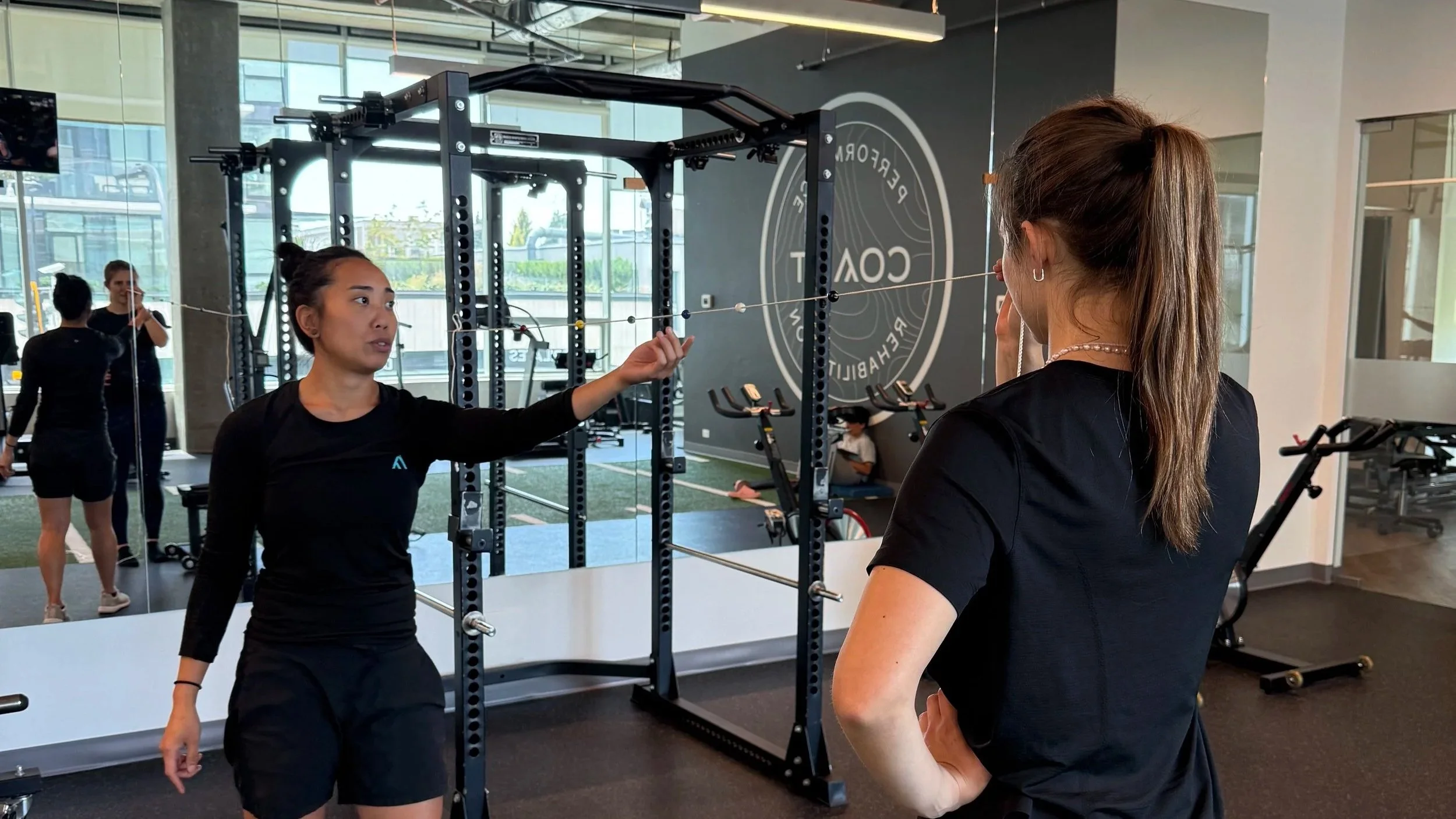
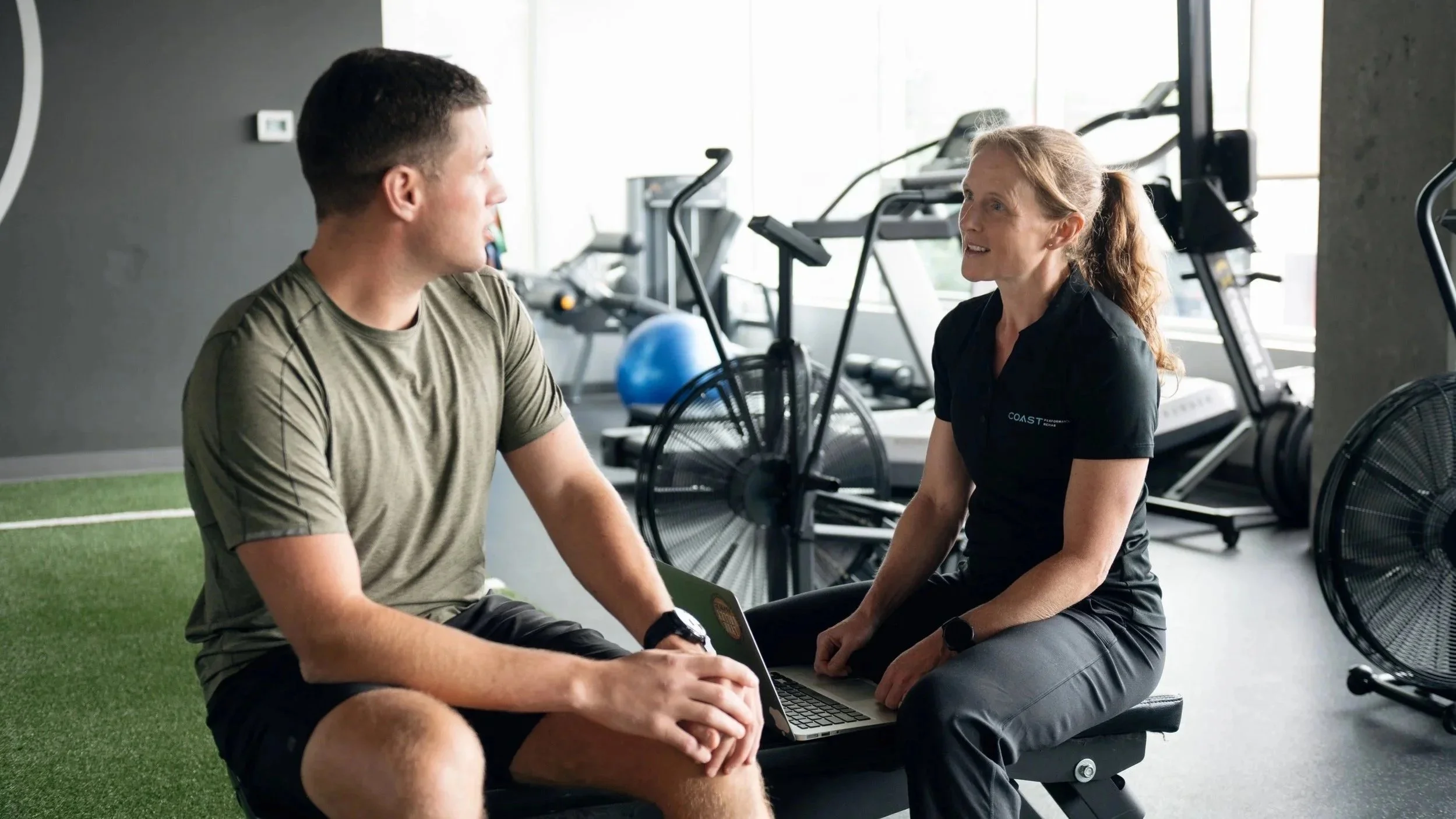
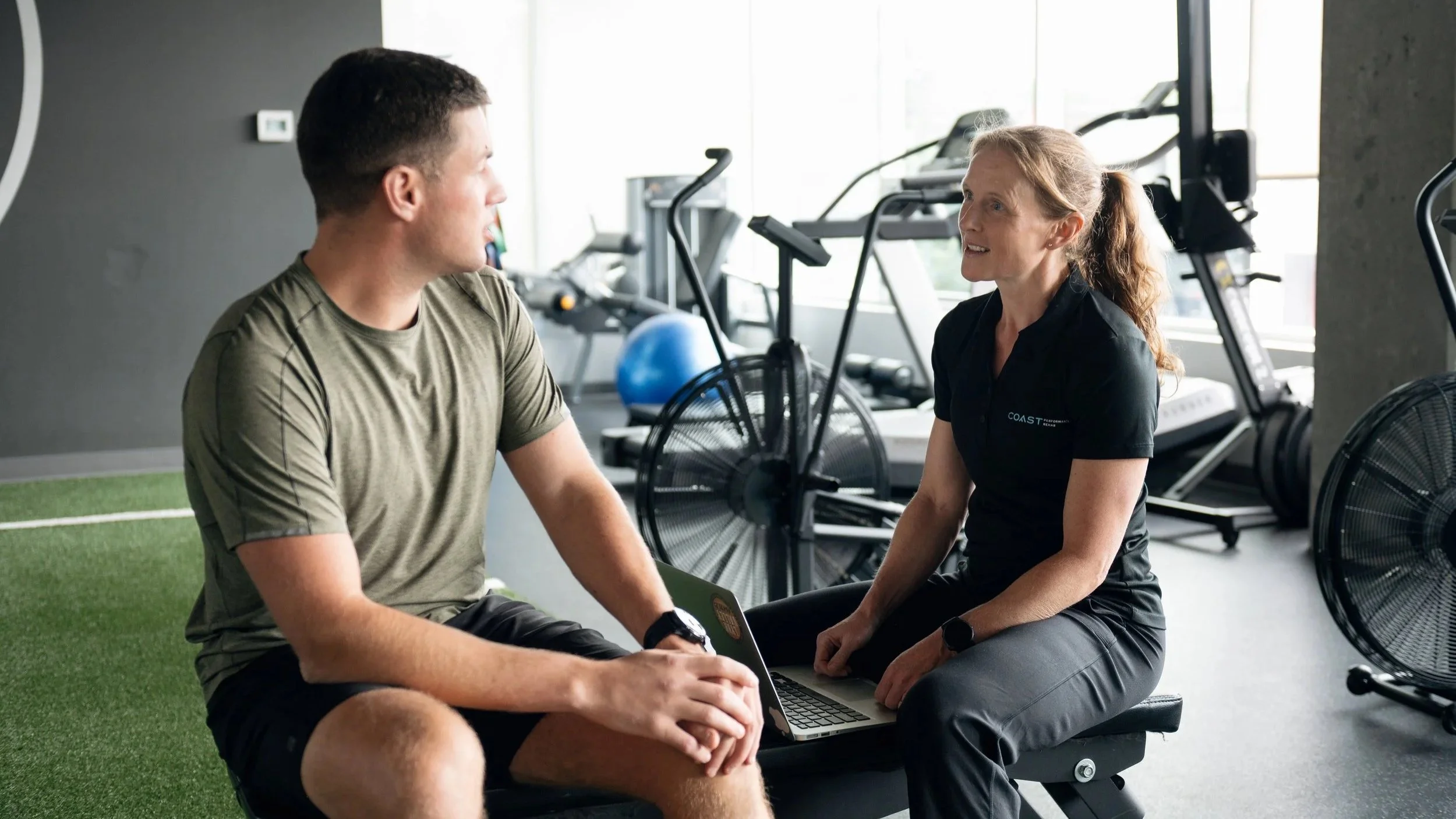
A concussion can affect much more than your head. Headaches, dizziness, neck pain, fatigue, difficulty concentrating, and reduced exercise tolerance can interfere with work, school, sport, and everyday life. While some people recover quickly, others experience persistent symptoms that make returning to normal activities more challenging.
You rested. You felt better. You returned to your usual activities. Then the pain came back.
If this sounds familiar, you are not alone. Recurring pain and injuries are common, particularly when you return to running, lifting, sport, or other activities before your body has fully rebuilt its capacity.
Pain going away does not always mean an injury is fully recovered. Here are seven reasons an injury may keep coming back.
Have you ever had an injury that seems to keep coming back?
Your knee feels better, so you return to running. Your shoulder stops hurting, so you get back to the gym. Your ankle feels normal, so you return to your sport. Then, weeks or months later, the same pain returns.
Recurring injuries can be frustrating, but they are often a sign that the underlying factors contributing to the injury have not been fully addressed.
Stress fractures are one of the most common overuse injuries seen in active individuals. Whether you're training for a marathon, increasing your hiking mileage, playing a court sport, or simply becoming more active, repetitive stress placed on a bone can eventually exceed its ability to recover. The result is a stress fracture, a small crack in the bone caused by repeated loading rather than a single traumatic event.
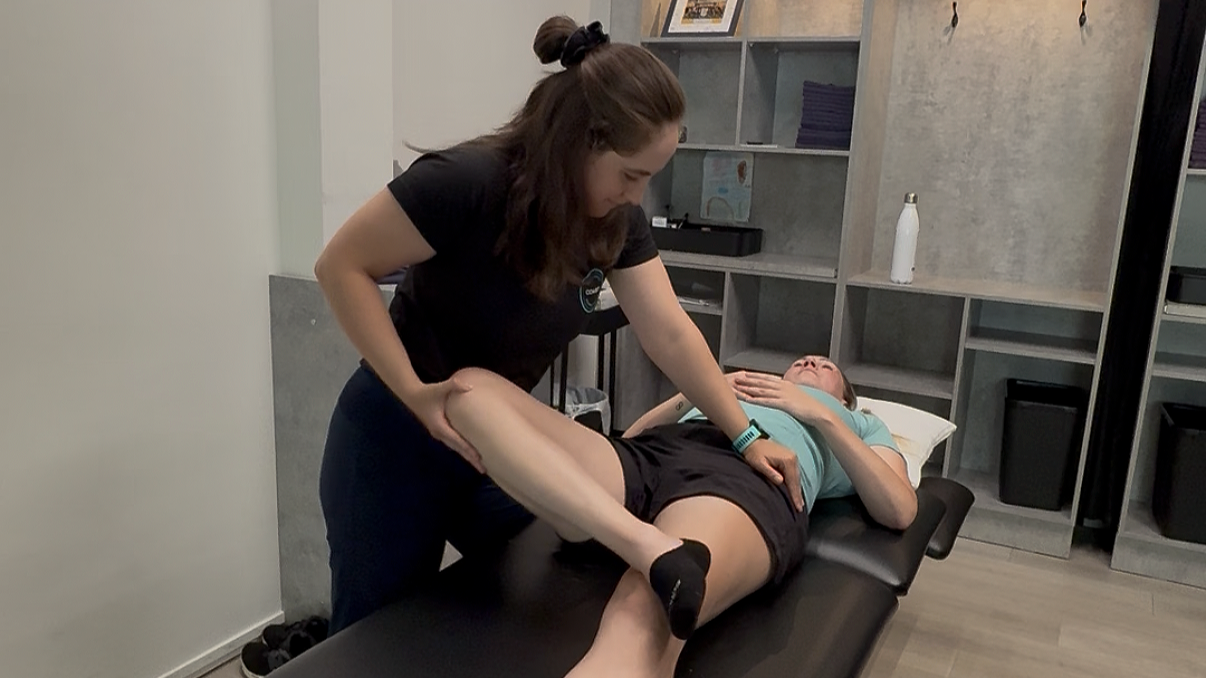
At Coast Performance Rehab, our team of physiotherapists, chiropractors, registered massage therapists, and athletic therapists work together to help patients recover safely and confidently after joint replacement surgery.
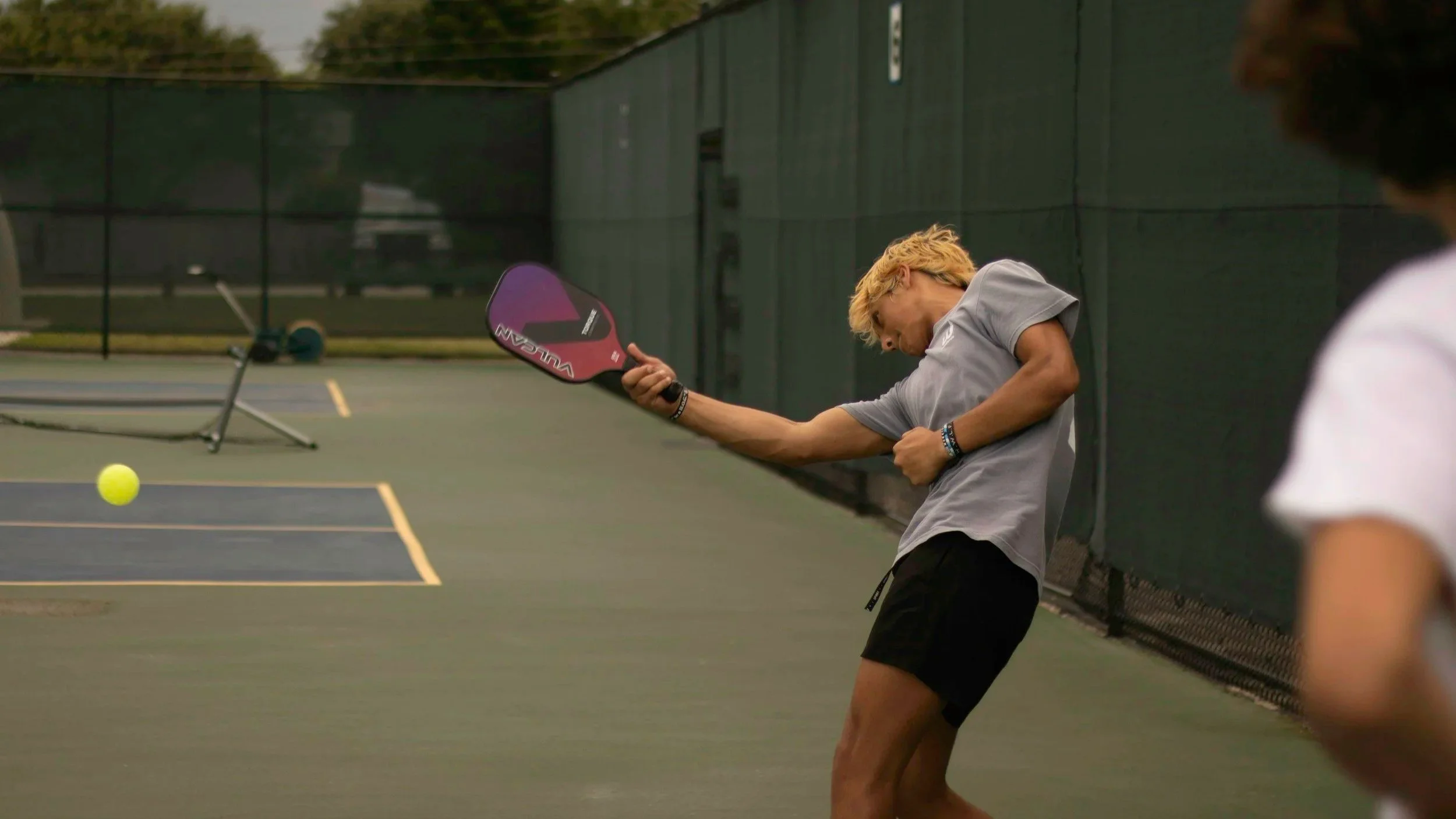
Learn about the most common pickleball injuries, why they happen, and how to prevent them. Expert injury prevention tips from COAST Performance Rehabilitation
Over the past few decades, early sport specialization has become increasingly common. Many young athletes who demonstrate talent and potential in a particular sport are encouraged by parents and coaches to focus exclusively on that sport from an early age. The belief is simple: more practice leads to better performance.
Soccer is one of the most physically demanding sports in the world. Players sprint, pivot, jump, tackle, cut, kick, and change direction constantly throughout a match. While these movements are essential to the game, they also place significant stress on the body and increase the risk of injury.
Whether your goal is to complete the Grind for the first time or improve your personal best, getting faster requires more than simply hiking harder every weekend. Structured training, smart pacing, recovery, and proper footwear can make a major difference in your performance.
For many athletes, performance planning revolves around training cycles, competition schedules, and recovery strategies, but one key factor is often overlooked: the menstrual cycle. Understanding how your body responds throughout each phase can make a meaningful difference in performance, recovery, and overall well-being.
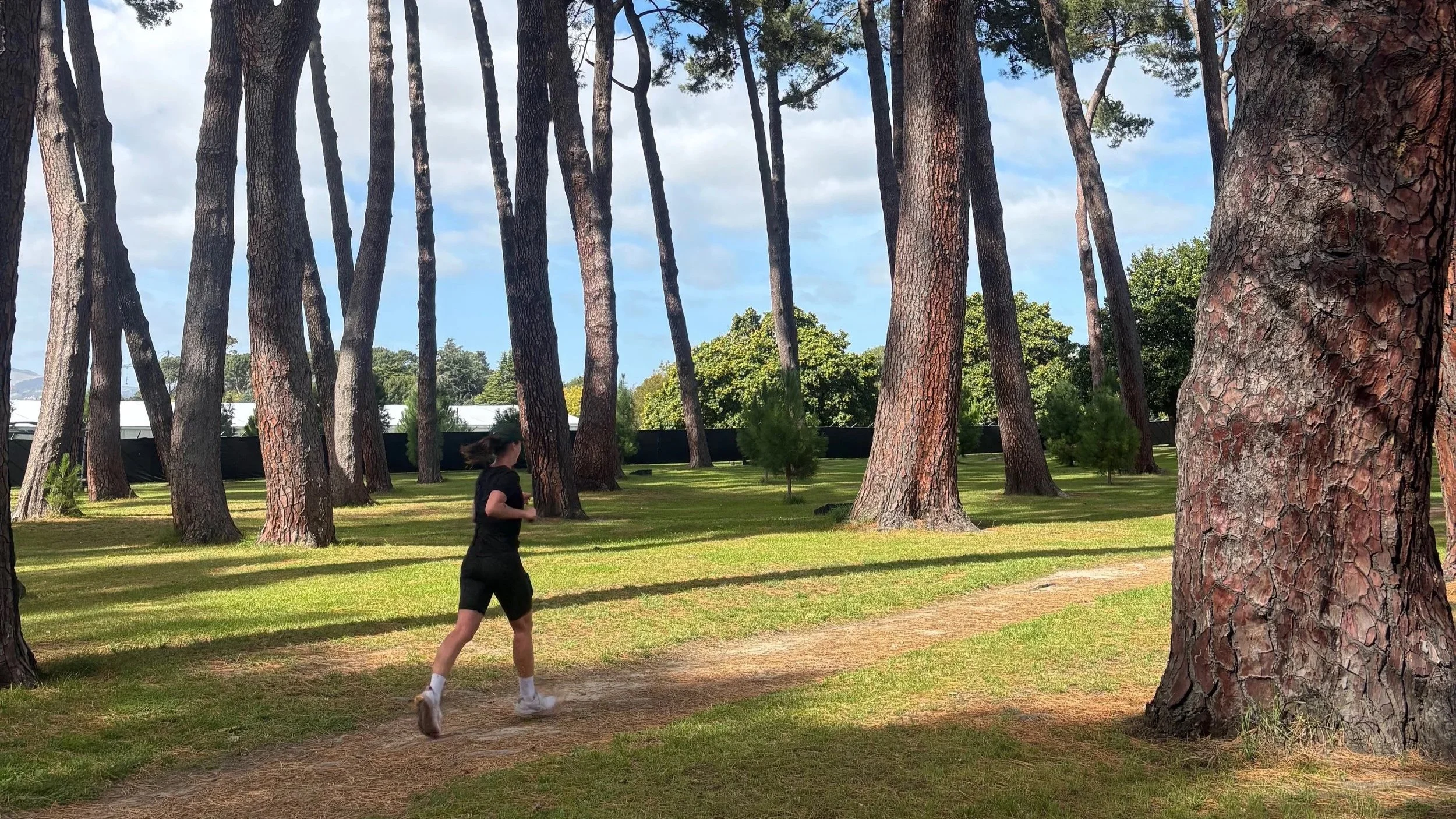
This running guide explains how to prevent running injuries before they start so you can stay consistent, improve performance, and remain pain free.
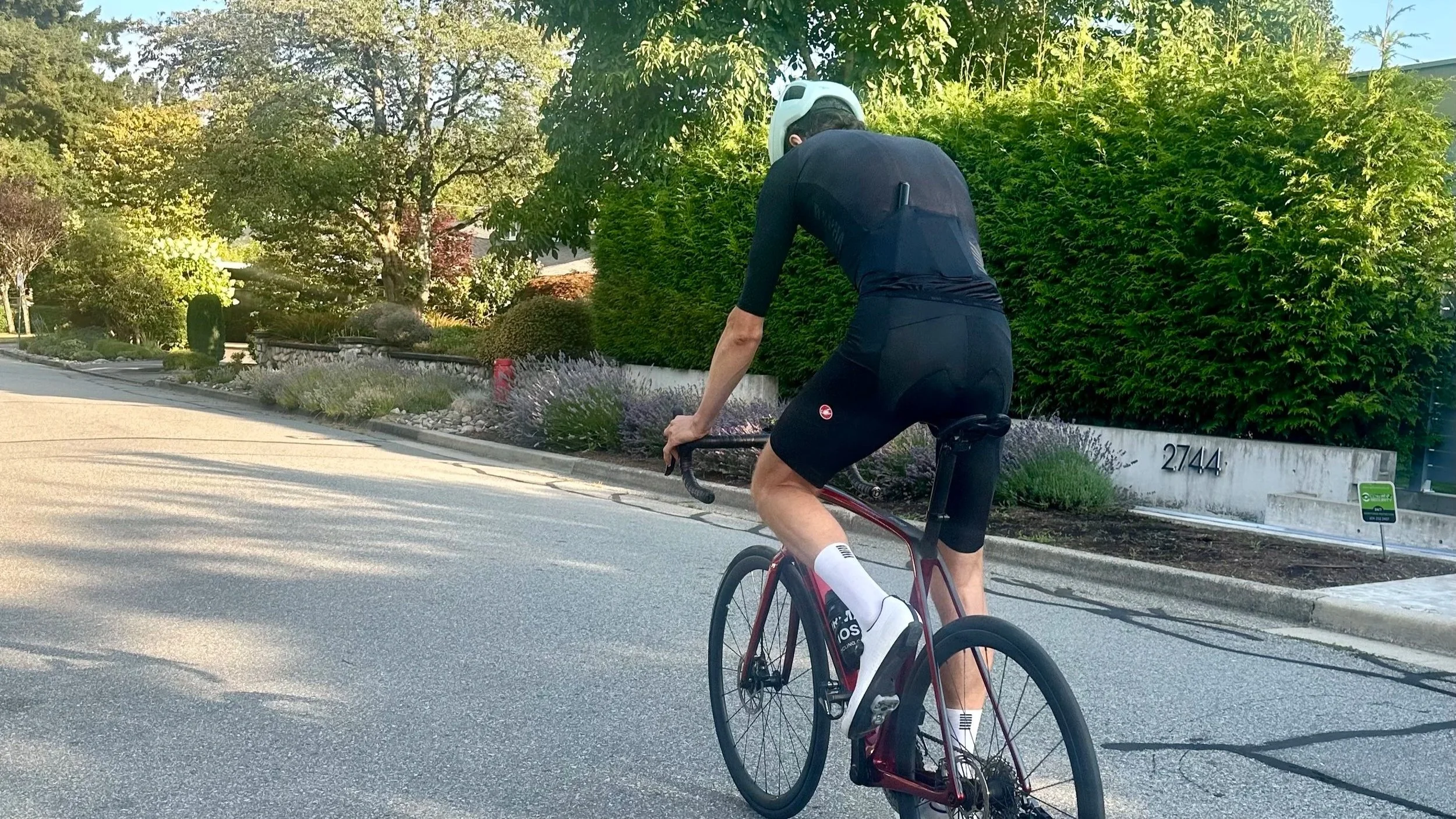
Cycling is one of the best ways to build endurance, improve cardiovascular fitness, and stay active year-round. Whether you’re riding indoors or getting ready for outdoor season, the repetitive nature of cycling can sometimes lead to overuse injuries if your body isn’t properly prepared.
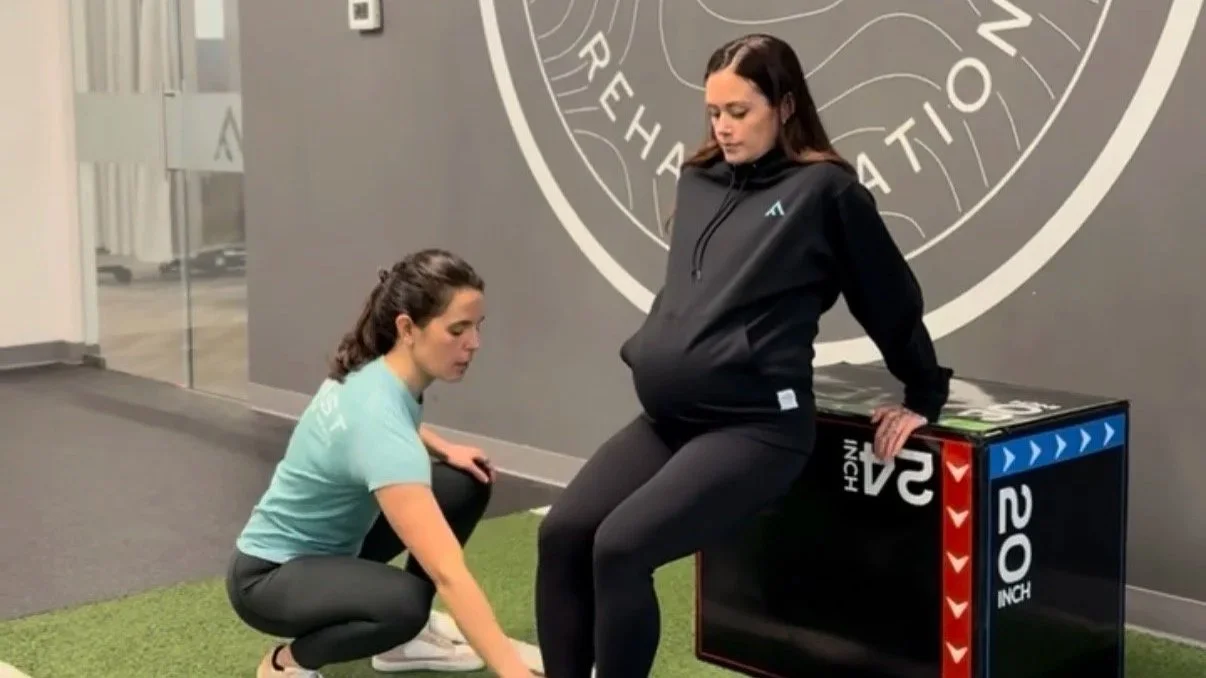
The goal of pregnancy fitness is not simply to keep moving, but to move well, maintain strength, and support posture and stability throughout each trimester. A well-designed prenatal training program focuses on controlled movements, proper breathing, and exercises that support the hips, spine, and core.
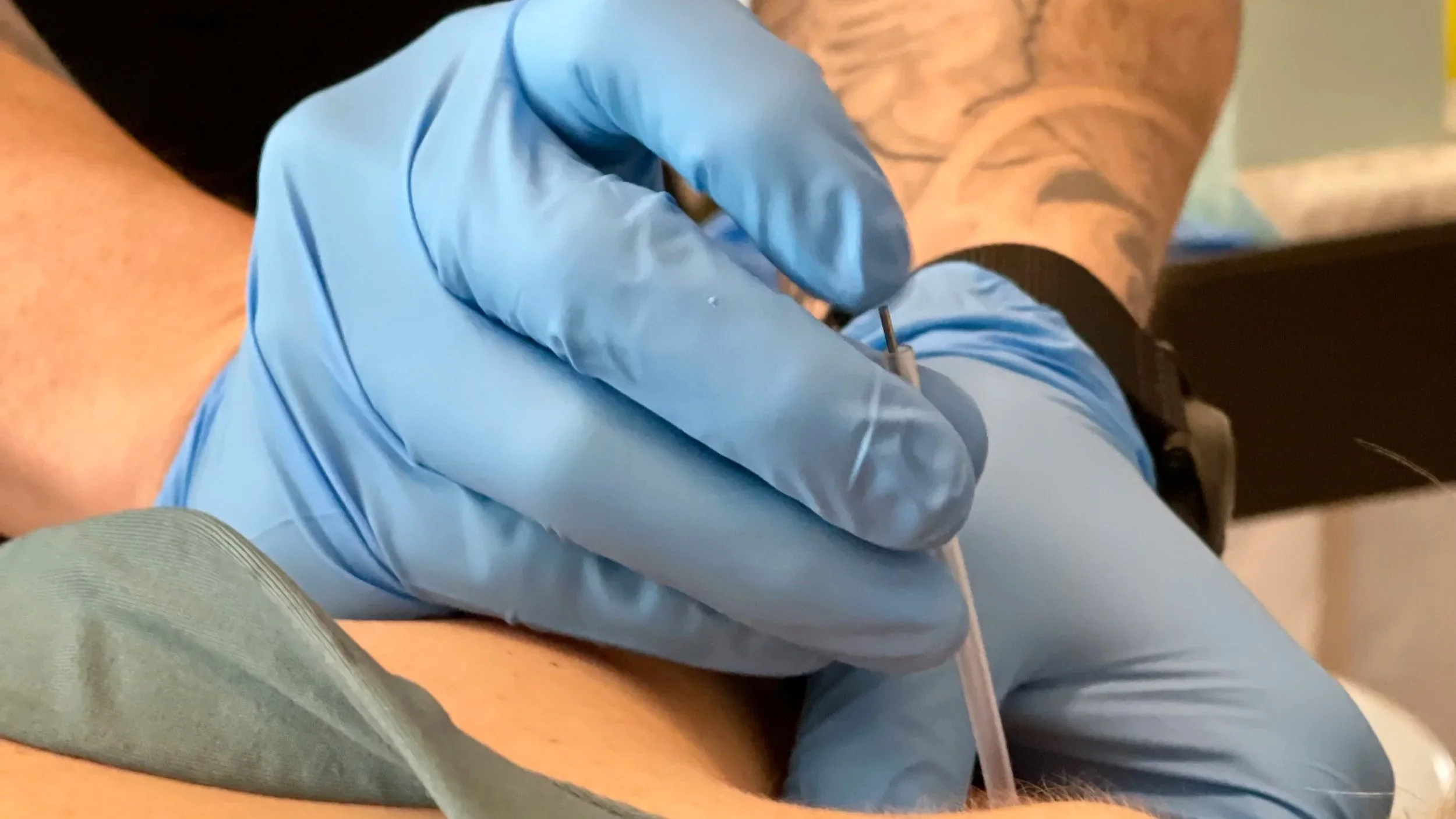
Injuries whether from sports, work, or daily life, can disrupt your routine, limit mobility, and reduce overall quality of life. One increasingly popular and evidence-informed treatment option for both injury rehabilitation and prevention is Intramuscular Stimulation (IMS).
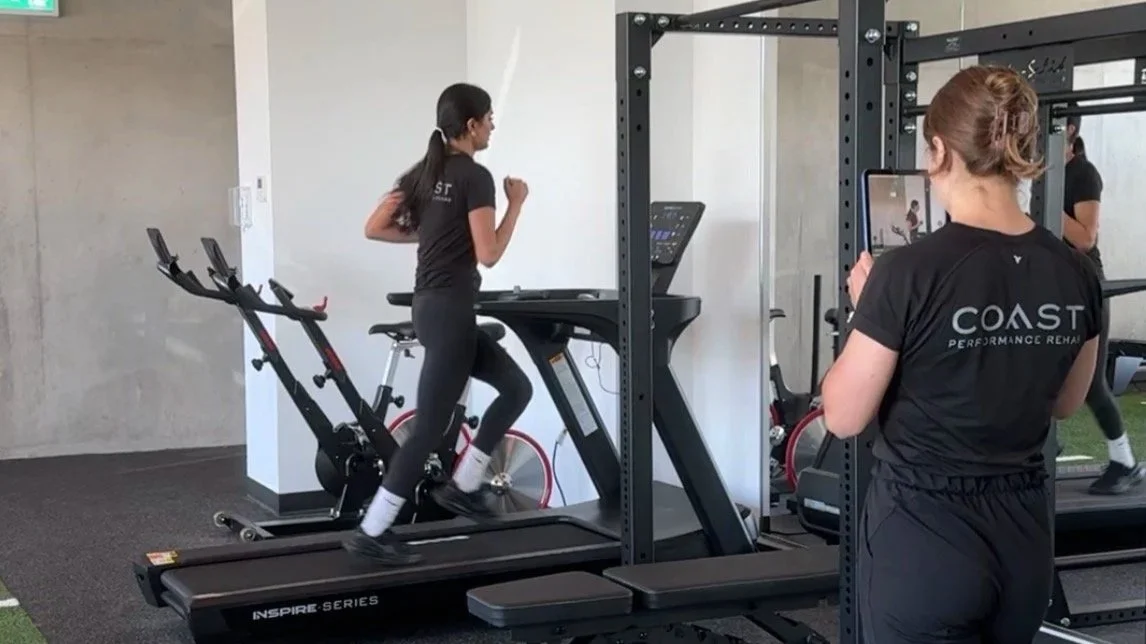
Running is one of the best ways to improve cardiovascular health, mental well-being, and overall fitness. However, running injuries are extremely common and most are preventable. As a rehabilitation specialist who works with runners of all levels, I consistently see the same patterns that lead to pain, setbacks, and time away from training.
If your goal is to prevent running injuries, run pain-free, and stay consistent long term, these three expert-backed strategies are essential.
When we think about pelvic floor health, the focus is often on the muscles deep inside the pelvis. But what many people don’t realize is that the glutes play a major supporting role. Strong, well-coordinated glute muscles help stabilize the pelvis, improve posture and movement mechanics, and reduce unnecessary strain on the pelvic floor.
As the New Year begins, many people feel motivated to move more, train harder, or finally “get back into shape.” While this enthusiasm is a great starting point, the reality is that long-term success in movement, fitness, and injury prevention isn’t built on intensity alone. In 2026, better movement starts with a smarter, more sustainable approach.
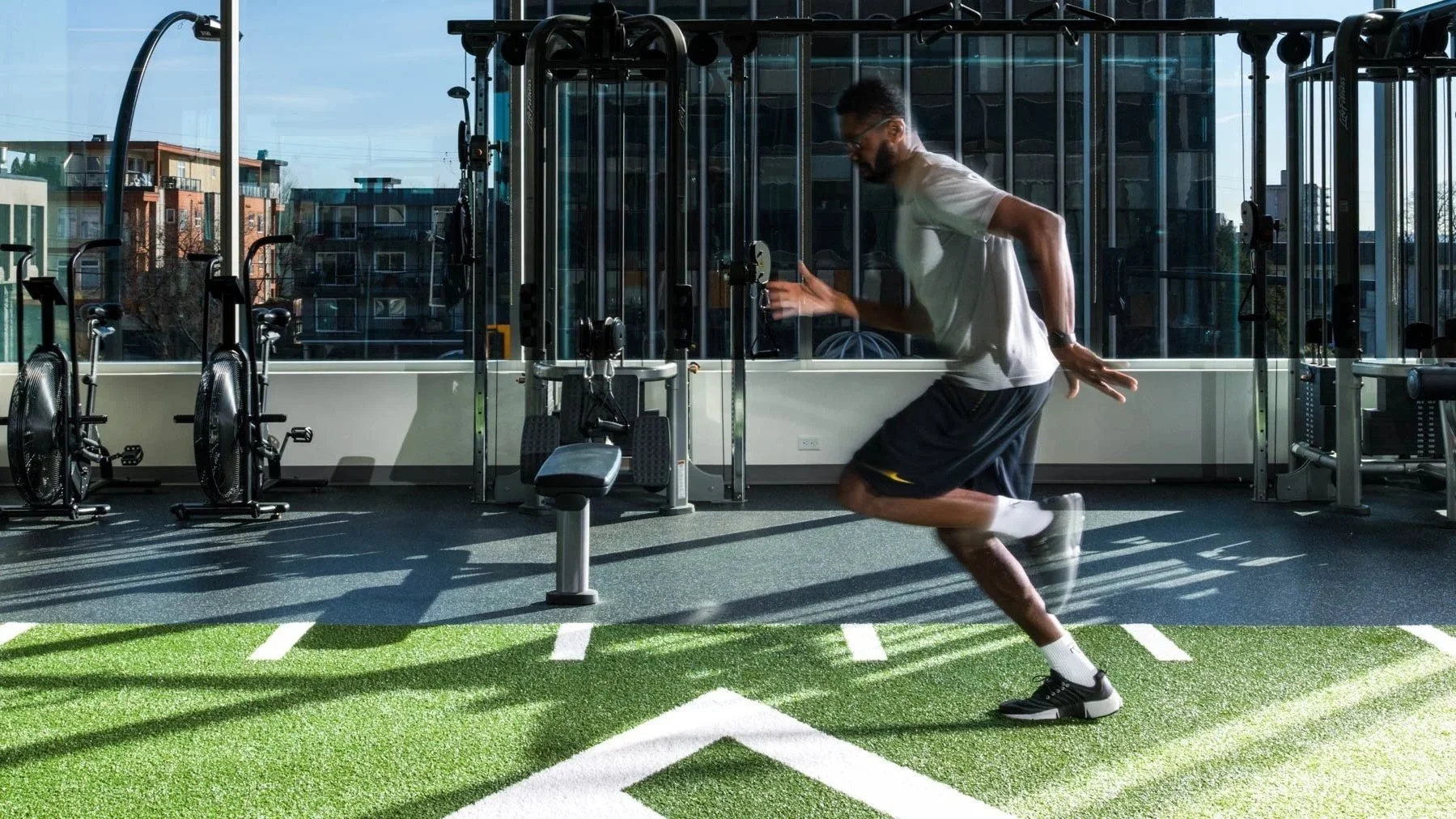
Whether you’re a weekend warrior, a student athlete, or someone who just enjoys staying active, sports injuries can quickly derail your progress and motivation. The good news? Many common injuries are preventable. With the right habits, preparation, and mindset, you can protect your body and keep doing what you love.
A concussion is a mild traumatic brain injury (mTBI) caused by a blow or jolt to the head or body that disrupts normal brain function. While it’s considered “mild” because it isn’t usually life-threatening, the symptoms can be anything butmild—affecting thinking, balance, mood, sleep, and more.
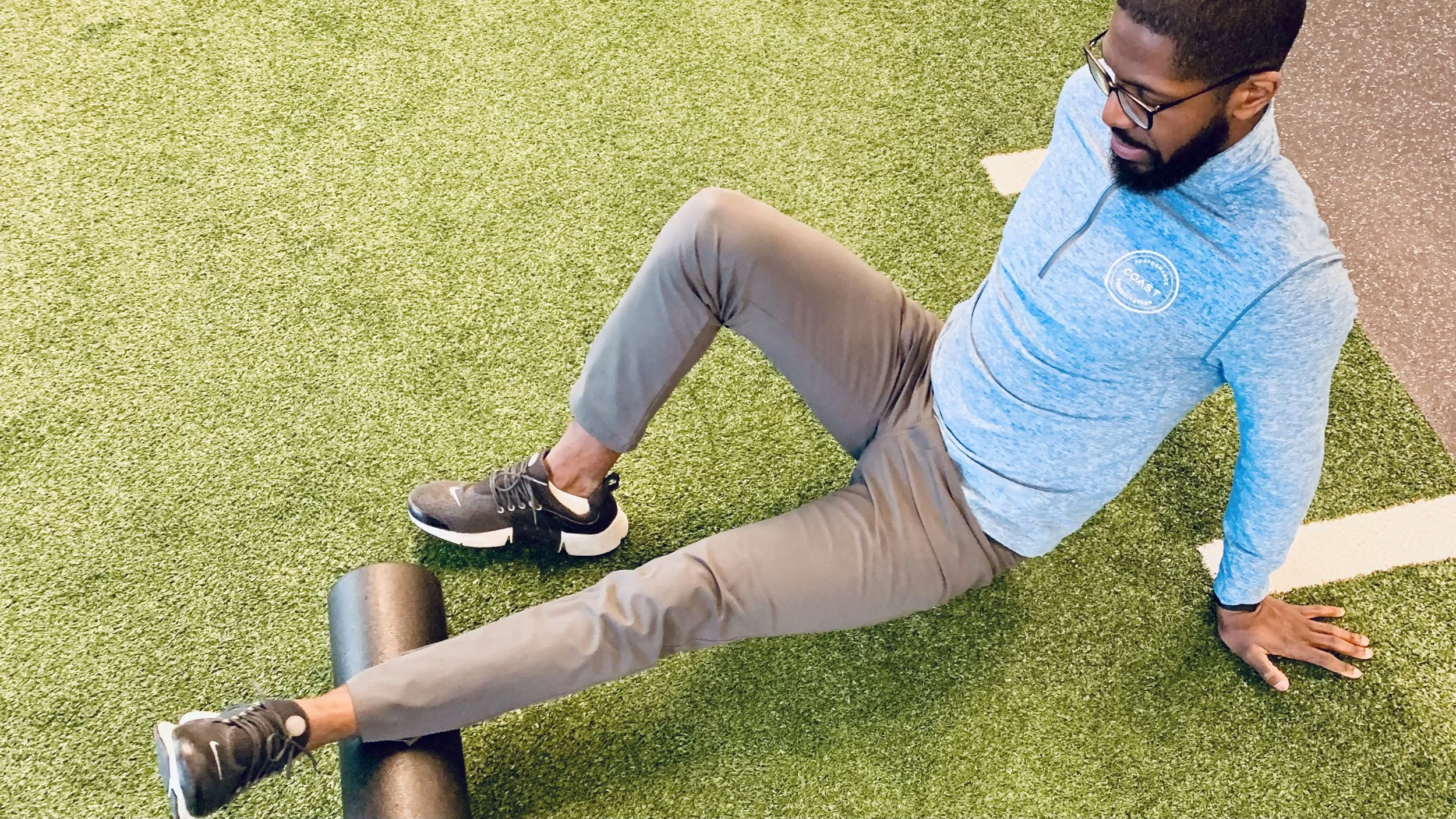
An effective recovery routine doesn’t require fancy equipment or a professional clinic setup. In fact, some of the most impactful tools for reducing soreness, improving mobility, and supporting tissue health are items many people already have at home. When used properly, these simple tools can help you move better, feel better, and stay consistent with your training or rehabilitation plan.