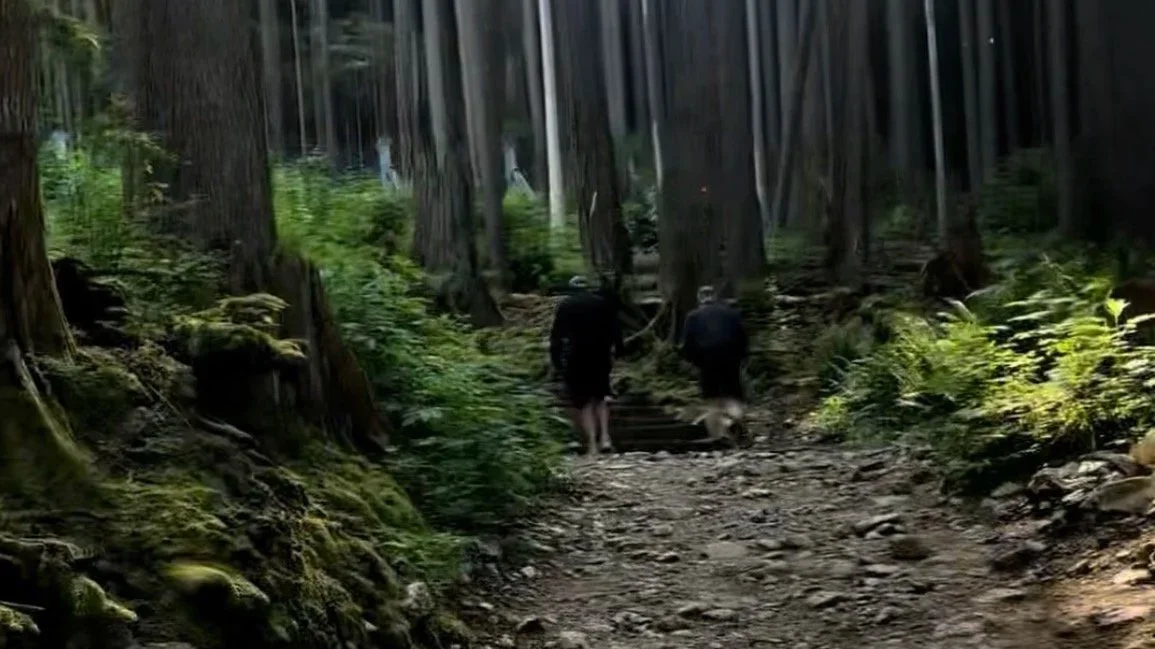
The Grouse Grind is one of the most challenging and iconic hikes in Metro Vancouver. Climbing nearly 800 metres over just 2.5 kilometres, the trail demands cardiovascular fitness, lower body strength, endurance, and mental resilience.
Whether your goal is to complete the Grind for the first time or improve your personal best, getting faster requires more than simply hiking harder every weekend. Structured training, smart pacing, recovery, and proper footwear can make a major difference in your performance.
What Is a Good Grouse Grind Time?
Average times vary depending on fitness level and experience:
Beginners: 1.5 to 2 hours
Recreationally active hikers: 60 to 90 minutes
Experienced grinders: 45 to 60 minutes
Competitive climbers: Under 40 minutes
The most important goal is consistent improvement while staying healthy and avoiding overuse injuries.
Train Your Cardiovascular Fitness
The Grouse Grind is primarily a cardiovascular challenge. Improving your aerobic endurance helps you maintain a stronger pace throughout the climb without fatiguing early.
A strong training program should include:
Incline treadmill walking
Stair climbing
Hiking with elevation
Indoor cycling
Hill repeats
Aim for 3 to 5 cardio sessions per week using a mix of heart rate zones.
Zone 2 Training: Build Endurance
Zone 2 training is steady, conversational-effort cardio that builds your aerobic base and improves endurance. These workouts help you climb more efficiently and recover faster.
Examples include:
Easy incline walking
Steady cycling
Long stair sessions
Moderate hikes
Zone 3 Training: Improve Sustained Climbing Pace
Zone 3 is a moderate-hard effort that closely matches the sustained intensity of the Grouse Grind. This type of training helps improve muscular endurance and pacing during long climbs.
Zone 4 Training: Increase Speed
Zone 4 intervals are high-intensity efforts designed to improve climbing speed, VO2 max, and recovery during steep sections.
Example workout:
2 to 4 minutes hard effort
2 minutes recovery
Repeat for 20 to 30 minutes
Include these workouts 1 to 2 times per week alongside lower-intensity training.
Build Lower Body Strength
Strong legs improve climbing efficiency and reduce fatigue on steep terrain.
Focus on exercises such as:
Step-ups
Walking lunges
Split squats
Deadlifts
Calf raises
Squats
Core strength is also important for posture and stability during long climbs.
Pace Yourself Properly
One of the most common mistakes on the Grouse Grind is starting too fast.
To improve your time:
Start conservatively
Maintain steady breathing
Avoid long breaks
Shorten your stride on steeper sections
Recover while still moving on flatter areas
Consistent pacing is usually faster than burning out early.
Wear Proper Footwear
Footwear plays a major role in both performance and injury prevention. The Grouse Grind includes uneven terrain, stairs, rocks, and slippery sections, especially in wet conditions.
Look for shoes that provide:
Good traction and grip
Stability
Secure fit
Trail running shoes or lightweight hiking shoes are popular choices for the Grind. Shoes with poor grip or insufficient stability can increase fatigue and injury risk, especially as the legs tire late in the climb.
Prioritize Recovery
Fitness improvements happen during recovery, not just training.
To support progress:
Sleep 7 to 9 hours nightly
Stay hydrated
Eat enough carbohydrates and protein
Include mobility work
Take rest days seriously
If you experience persistent knee pain, Achilles irritation, hip tightness, or foot discomfort, working with a physiotherapist or kinesiologist can help address issues before they become more significant.
COAST can help you stay on track with training support in North Vancouver, Kitsilano, and Squamish through physiotherapy and kinesiology that targets the root cause and keeps you moving well.
Final Thoughts
Improving your Grouse Grind time takes a combination of cardiovascular fitness, strength training, pacing, recovery, and proper preparation. With consistent training and smart progression, most people can see noticeable improvements within 6 to 8 weeks.
Training intelligently rather than simply pushing harder every climb will help you move faster, feel stronger, and reduce your risk of injury along the way.
