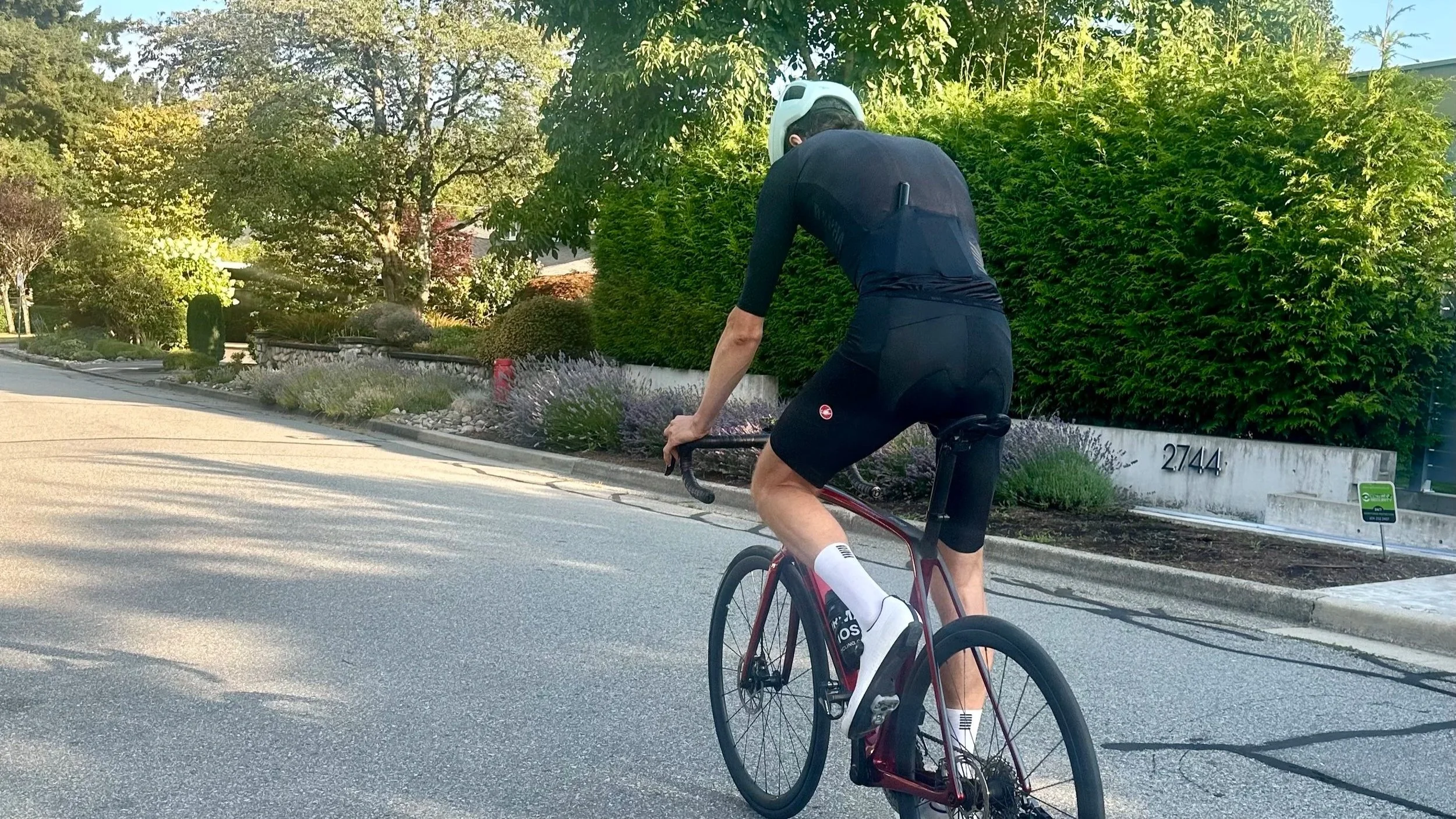
Cycling is one of the best ways to build endurance, improve cardiovascular fitness, and stay active year-round. Whether you’re riding indoors or getting ready for outdoor season, the repetitive nature of cycling can sometimes lead to overuse injuries if your body isn’t properly prepared.
At Coast Performance Rehab, we commonly see cyclists dealing with preventable injuries. The good news is that with the right approach, most of these issues can be managed—and often avoided altogether.
1. Knee Pain (Patellofemoral Pain Syndrome)
What it feels like:
Pain around or behind the kneecap, often worse when climbing hills, riding in heavy gears, or after long rides.
Why it happens:
Knee pain in cyclists is often caused by poor bike setup, muscle imbalances, or training errors. Weak glutes or tight quadriceps can increase stress on the knee joint.
How to fix it:
Adjust your bike fit (especially saddle height and position)
Strengthen glutes and hips
Reduce load temporarily and build back gradually
Improve pedaling mechanics
2. Lower Back Pain
What it feels like:
A dull ache or stiffness in the lower back, especially during longer rides or after staying in an aerodynamic position.
Why it happens:
Cycling posture places sustained stress on the lower back, especially if core strength or hip mobility is lacking.
How to fix it:
Improve core stability
Work on hip mobility (especially hip flexors)
Adjust handlebar height and reach
Incorporate regular movement breaks on longer rides
3. Neck and Shoulder Pain
What it feels like:
Tension, tightness, or soreness in the neck and shoulders, sometimes accompanied by headaches.
Why it happens:
Holding your head up for extended periods and supporting body weight through the handlebars can overload these areas.
How to fix it:
Optimize bike fit (handlebar height and width)
Strengthen upper back muscles
Avoid excessive tension in the shoulders while riding
Incorporate mobility work for the thoracic spine
4. Numbness or Tingling in Hands (Cyclist’s Palsy)
What it feels like:
Numbness, tingling, or weakness in the hands or fingers during or after rides.
Why it happens:
Compression of nerves in the hands due to prolonged pressure on the handlebars.
How to fix it:
Change hand positions frequently
Check handlebar setup and grip
Use padded gloves
Reduce excessive weight through the hands by improving posture
5. Hip Pain
What it feels like:
Discomfort in the front or side of the hip, sometimes worsening with longer rides or higher intensity efforts.
Why it happens:
Cycling involves repetitive hip flexion, which can lead to tight hip flexors and reduced glute activation.
How to fix it:
Incorporate hip mobility exercises
Strengthen glutes and posterior chain
Avoid staying in one position for too long
Ensure proper saddle height and alignment
6. Achilles Tendon Pain
What it feels like:
Pain or stiffness in the back of the ankle, especially at the start of a ride or after rest.
Why it happens:
Excessive load through the calf and Achilles tendon, often linked to saddle height, cleat position, or sudden increases in training volume.
How to fix it:
Gradually increase training load
Adjust cleat position if needed
Strengthen calves with controlled loading exercises
Ensure proper ankle positioning while pedaling
Prevention Is Key
Most cycling injuries don’t happen overnight, but instead build up over time. That means small changes can make a big difference.
To stay injury-free:
Progress training gradually
Include strength training 2–3 times per week
Prioritize mobility and recovery
Make sure your bike fit is appropriate for your body
When to Seek Help
If pain persists, worsens, or starts to affect your performance, it’s worth addressing early. A proper assessment can identify the root cause and help you return to riding stronger.
At Coast Performance Rehab, we work with cyclists of all levels to assess movement, optimize bike fit, and build individualized rehab and performance plans.
Book a Functional Bike Fit
If cycling pain is lingering or starting to affect your performance, a proper assessment and bike fit can make a big difference. COAST Performance Rehab offers functional bike fitting in North Vancouver, Kitsilano, and Squamish. We work with cyclists of all levels to identify the root cause, optimize your setup, and build a plan that keeps you riding strong.
Ready to ride pain-free? Book an appointment for a functional bike fit with COAST physiotherapist James Cook.
