Have you ever had an injury that seems to keep coming back?
Your knee feels better, so you return to running. Your shoulder stops hurting, so you get back to the gym. Your ankle feels normal, so you return to your sport. Then, weeks or months later, the same pain returns.
Recurring injuries can be frustrating, but they are often a sign that the underlying factors contributing to the injury have not been fully addressed.
Why Do Injuries Keep Coming Back?
1. You returned to activity too quickly
Pain improving does not always mean you are ready for your previous level of activity. Your symptoms may settle before your strength, mobility, coordination, and tissue capacity have fully recovered.
A gradual return to activity allows your body to rebuild its tolerance to the demands of your sport or training.
2. You treated the symptoms, not the cause
Rest, massage, manual therapy, and other treatments can help reduce pain and improve movement. However, if the factors contributing to the injury are not addressed, symptoms may return.
A comprehensive assessment can identify issues such as strength deficits, mobility restrictions, poor movement control, or changes in training load.
3. Your body has not rebuilt enough strength
After an injury, it is common to regain everyday function before regaining the strength and capacity required for higher-level activities.
For example, walking without pain does not necessarily mean your knee is ready for running, jumping, or cutting. Rehabilitation should progressively challenge the injured area so it can tolerate the demands you place on it.
4. Your training load changed
Doing too much too soon is a common contributor to recurring injuries. A sudden increase in running mileage, lifting volume, intensity, or sport-specific activity can exceed your body's current capacity.
Managing training load and allowing adequate recovery can help reduce the risk of reinjury.
How to Stop the Cycle of Reinjury
Effective injury rehabilitation should go beyond simply getting you out of pain. It should help you understand why the injury happened, rebuild physical capacity, and prepare your body for the activities you want to return to.
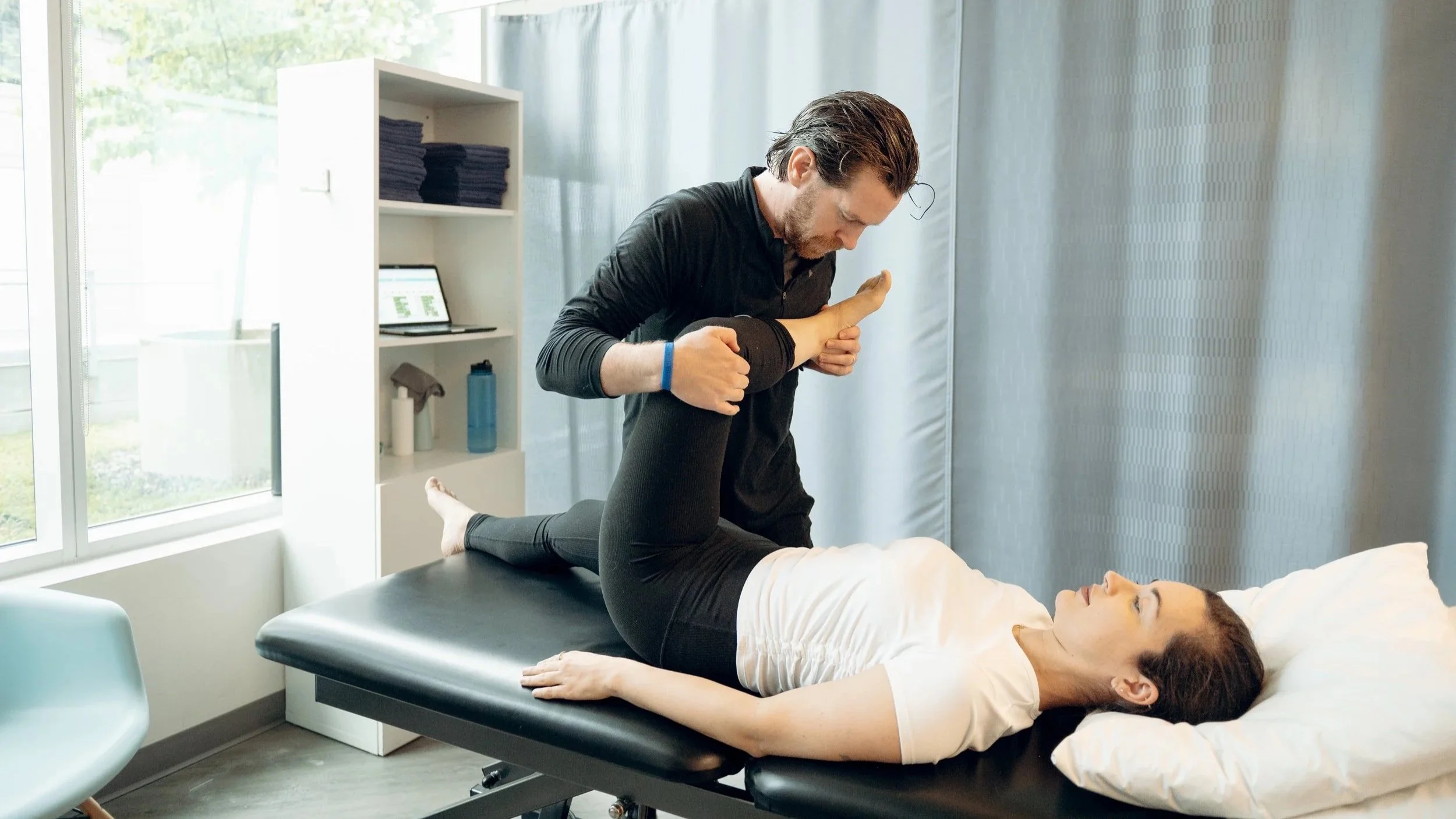
At COAST Performance Rehab, our multidisciplinary team uses a movement-focused approach to assess strength, mobility, movement patterns, training demands, and overall physical capacity.
Your rehabilitation may include targeted exercises, progressive strength training, mobility work, movement retraining, manual therapy, and guidance on modifying and progressing your training.
The Goal Is More Than Feeling Better
The ultimate goal of rehabilitation is not simply to get you pain-free. It is to build a body that is strong and capable of handling the demands of your lifestyle, sport, and training.
If you keep reinjuring the same area, it may be time to look beyond the symptoms and identify what is preventing you from fully returning to activity.
Ready to break the cycle? Contact COAST Performance Rehab to develop a personalized rehabilitation plan and get back to doing what you love.
