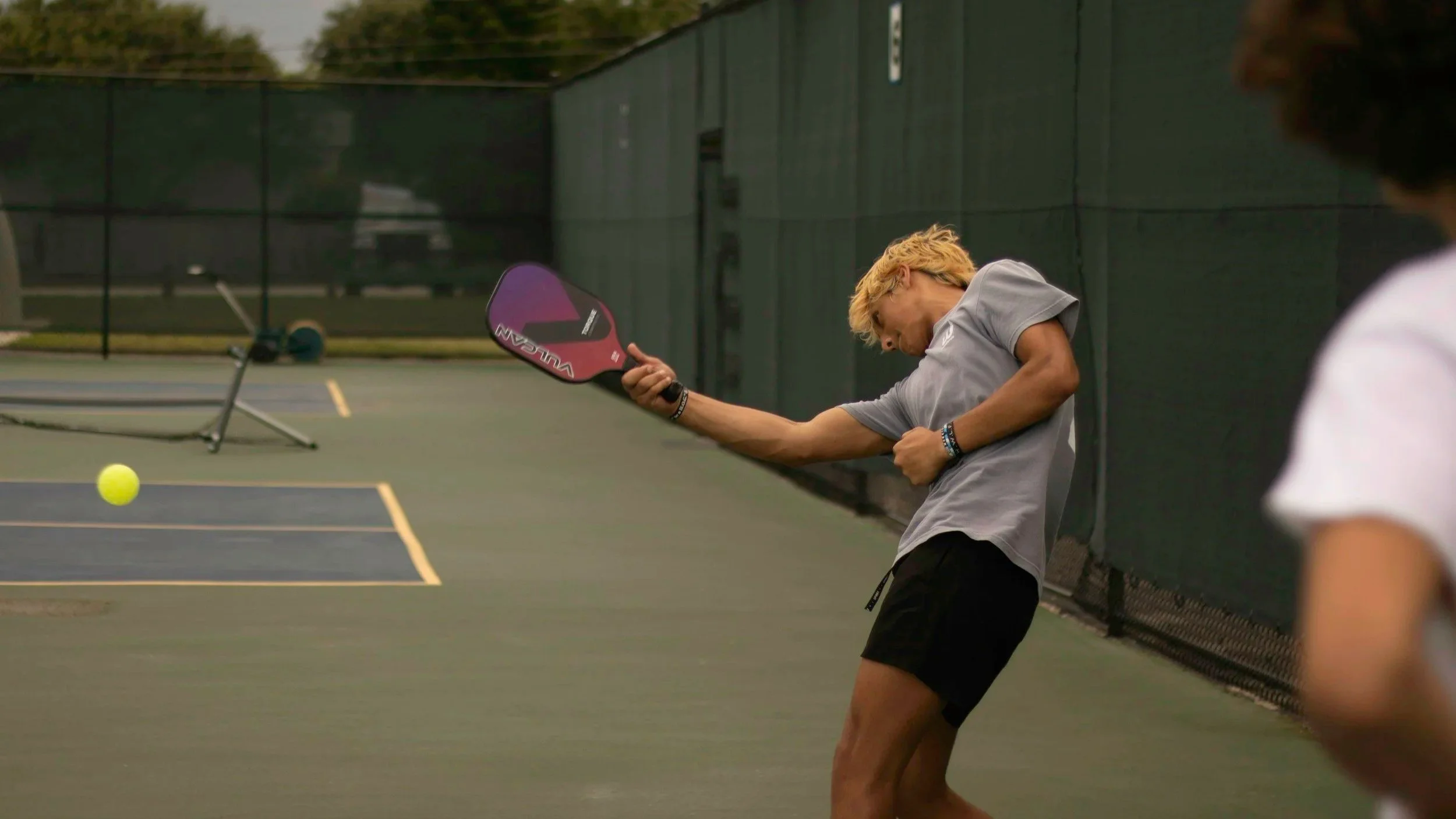
Pickleball has quickly become one of the fastest-growing sports in North America, and it's easy to see why. It's social, accessible, fast-paced, and suitable for players of all ages and skill levels. Whether you're enjoying casual games with friends or competing in local tournaments, pickleball is an excellent way to stay active.
Like any sport that involves quick movements, repetitive motions, and sudden changes in direction, pickleball also comes with a risk of injury.
At Coast Performance Rehabilitation, we regularly help pickleball players recover from both acute injuries and chronic overuse conditions. Understanding the most common pickleball injuries and learning how to prevent them can help you stay healthy, improve your performance, and spend more time on the court.
Why Are Pickleball Injuries So Common?
Although pickleball is often considered a lower-impact alternative to tennis, it still places significant demands on the body. Players are constantly accelerating, stopping, changing direction, lunging for shots, and rotating through the shoulders and trunk. These repeated movements place stress on muscles, tendons, ligaments, and joints, particularly if strength, mobility, or conditioning are lacking.
Many injuries develop gradually through repetitive strain, while others happen suddenly during an awkward landing or unexpected movement.
The Most Common Pickleball Injuries
Ankle Sprains
Ankle sprains are among the most common injuries seen in pickleball. Quick side-to-side movements, sudden pivots, and awkward landings can overstretch or tear the ligaments supporting the ankle.
Common symptoms include:
Pain around the ankle
Swelling and bruising
Difficulty walking or bearing weight
A feeling of instability
To reduce your risk, wear supportive court shoes, include balance and stability exercises in your routine, strengthen the muscles around the ankle, and always perform a proper warm-up before playing.
Knee Injuries
The knees absorb significant forces during lunging, cutting, and rapid deceleration. This can contribute to ligament sprains, meniscus irritation, or pain around the kneecap.
You may notice:
Pain during movement
Swelling
Instability
Clicking or locking
Building strength in the quadriceps, hamstrings, and glutes, improving movement mechanics, maintaining flexibility, and avoiding sudden increases in playing volume can all help protect the knees.
Shoulder Injuries
Serving and overhead shots repeatedly load the shoulder, making rotator cuff irritation and shoulder impingement common among frequent players.
Symptoms often include:
Pain during overhead movements
Weakness
Reduced range of motion
Soreness after playing
Regular strengthening of the rotator cuff and upper back, maintaining shoulder mobility, and gradually increasing playing time can help reduce your injury risk.
Tennis Elbow
Despite its name, tennis elbow is very common in pickleball. Repetitive gripping and paddle swings overload the tendons on the outside of the elbow, leading to pain and reduced grip strength.
Players commonly experience:
Pain on the outside of the elbow
Weak grip strength
Discomfort when lifting or gripping objects
Using the correct paddle grip size, avoiding excessive grip tension, and strengthening the forearm muscles can help prevent this common overuse injury.
Achilles Tendinopathy and Calf Strains
Explosive movements, sprinting, and repeated push-offs place significant stress on the calf muscles and Achilles tendon.
Signs include:
Tightness in the calf
Pain near the heel
Morning stiffness
Pain during push-off
Regular calf strengthening, gradual progression of activity, and addressing tightness early can help keep these tissues healthy.
Lower Back Pain
Repeated twisting, bending, and rotational movements can contribute to lower back pain, particularly if hip mobility or core strength is limited.
Symptoms may include:
Stiffness
Pain when bending or twisting
Soreness after playing
Improving core strength, maintaining hip mobility, warming up thoroughly, and taking breaks between matches can help reduce stress on the lower back.
How to Prevent Pickleball Injuries
While injuries can't always be avoided, the risk can be significantly reduced with good preparation and recovery habits.
Some of the most effective strategies include:
Warming up with dynamic movements before every game.
Strength training to improve resilience in the legs, core, shoulders, and forearms.
Maintaining mobility in the ankles, hips, shoulders, and thoracic spine.
Prioritizing recovery through adequate sleep, hydration, nutrition, and rest.
Listening to your body and addressing pain or persistent soreness before it becomes a bigger problem.
Consistency with these habits not only lowers your injury risk but can also improve your performance on the court.
When Should You Seek Professional Help?
It's normal to feel some muscle soreness after playing, especially if you're new to the sport. However, pain that persists, worsens, or limits your ability to play shouldn't be ignored.
Seeking treatment early can:
Speed up recovery.
Prevent minor injuries from becoming chronic.
Improve movement and performance.
Help you return to pickleball safely and confidently.
At Coast Performance Rehabilitation, our multidisciplinary team works together to help pickleball players recover from injury, reduce pain, and improve performance. Whether you're dealing with an ankle sprain, tennis elbow, shoulder pain, or persistent back discomfort, our rehabilitation specialists will create a treatment plan tailored to your goals.
Depending on your needs, your care may include treatment from a chiropractor, physiotherapist, registered massage therapist (RMT), or athletic therapist. By combining hands-on treatment, individualized exercise programs, movement assessment, and injury prevention strategies, we help you get back on the court stronger, move more efficiently, and continue enjoying the sport you love.
