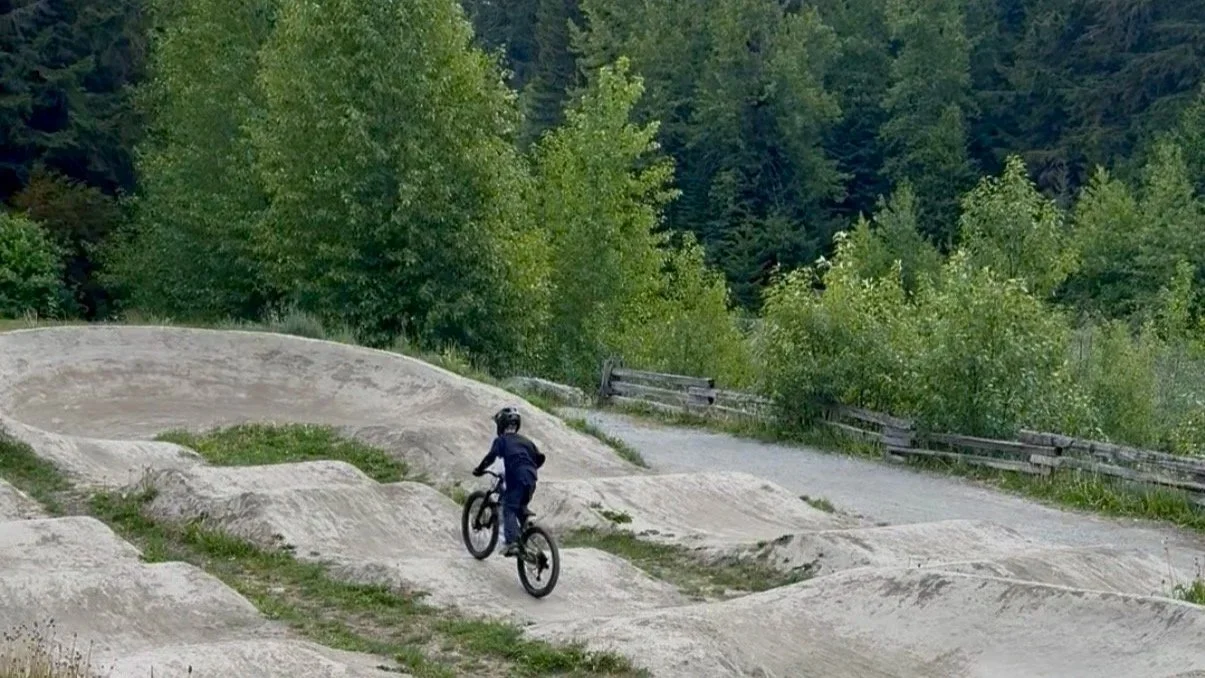
Over the past few decades, early sport specialization has become increasingly common. Many young athletes who demonstrate talent and potential in a particular sport are encouraged by parents and coaches to focus exclusively on that sport from an early age. The belief is simple: more practice leads to better performance.
At COAST Performance Rehab, this is a conversation our Athletic Therapists, Physiotherapists, and Kinesiologists often see reflected in youth sport. Young athletes need time to build strength, coordination, balance, mobility, and body awareness. When training becomes too repetitive too early, the risk of overuse injuries, burnout, and movement imbalances can increase.
While dedicated training can help develop sport-specific skills, research suggests that specializing too early may come at a cost. From increased injury risk to burnout and reduced athletic development, early sport specialization can have significant consequences for a young athlete's long-term success and enjoyment of sport.
What Is Early Sport Specialization?
Early sport specialization occurs when a child focuses on one sport year-round, often excluding participation in other sports and physical activities. Rather than playing multiple sports seasonally, the athlete trains and competes in a single sport throughout the year.
Although there is no universally accepted age that defines early specialization, many athletes begin specializing before the age of 12, with some focusing on a single sport as young as 8 or 9 years old.
The Risks of Early Sport Specialization
1. Increased Risk of Overuse Injuries
One of the most well-documented consequences of early sport specialization is an increased risk of overuse injuries.
When young athletes repeatedly perform the same movements throughout the year, excessive stress is placed on developing muscles, tendons, joints, and growth plates. Unlike acute injuries that occur suddenly, overuse injuries develop gradually as tissues are repeatedly overloaded without sufficient recovery.
Common overuse injuries in youth athletes include:
Stress fractures
Tendinopathy and tendinitis
Osgood-Schlatter disease
Growth plate injuries
Chronic joint pain
Participating in a variety of sports helps distribute physical demands across different movement patterns, reducing repetitive stress and promoting more balanced athletic development.
2. Reduced Creativity and Decision-Making Skills
An often-overlooked drawback of early specialization is its impact on creativity and game intelligence.
Athletes who participate in multiple sports are exposed to a wider range of movement challenges, coaching styles, game situations, and problem-solving opportunities. These experiences help develop adaptability, spatial awareness, decision-making, and creativity.
In contrast, young athletes who specialize early may become highly skilled in specific techniques but less capable of adapting to unfamiliar situations. They often rely heavily on rehearsed drills and structured coaching rather than developing the ability to make independent decisions during competition.
Many elite athletes credit participation in multiple sports and unstructured play during childhood as key contributors to their athletic success.
3. Increased Risk of Burnout
Training and competing in the same sport year-round can place significant mental and emotional demands on young athletes.
Burnout may present as:
Loss of enjoyment in sport
Mental fatigue
Decreased motivation
Increased performance anxiety
Emotional exhaustion
When sport becomes highly structured and performance-focused from a young age, children may lose the intrinsic enjoyment that initially drew them to athletics. In some cases, burnout leads athletes to quit the sport altogether.
4. Limited Overall Athletic Development
Contrary to popular belief, specializing early does not necessarily produce better athletes.
Children who participate in multiple sports develop a broader foundation of athletic skills, including:
Coordination
Agility
Balance
Speed
Strength
Body awareness
These transferable skills often enhance long-term athletic performance and may provide a competitive advantage when athletes eventually choose to specialize later in adolescence.
Research has shown that many elite and professional athletes participated in a variety of sports during childhood before focusing on one sport in their teenage years.
Does Early Specialization Improve Performance?
For most sports, the answer is no.
While early specialization may provide short-term advantages in sport-specific skills, there is little evidence that it improves long-term athletic success. In fact, many high-level athletes develop their abilities through diversified sport participation before specializing later.
Exceptions may exist in sports where peak performance occurs at a young age, such as gymnastics or figure skating. However, for most team and endurance sports, a diversified athletic background is associated with better long-term outcomes.
Supporting Long-Term Athletic Development
Childhood and adolescence are critical periods for developing movement skills, confidence, and a lifelong enjoyment of physical activity.
Parents and coaches can support healthy athletic development by encouraging young athletes to:
Participate in multiple sports throughout the year
Engage in unstructured play and physical activity
Take regular breaks from organized training
Prioritize skill development over competition results
Gradually increase training volume as they mature
Final Thoughts
While early sport specialization may seem like the fastest path to athletic success, the evidence suggests otherwise. Encouraging children to participate in a variety of sports helps reduce injury risk, improve creativity and decision-making, prevent burnout, and develop a stronger athletic foundation.
At COAST Performance Rehab, we support young athletes and active families in North Vancouver, Kitsilano, and Squamish with rehab, injury prevention, and movement-based care. Our team can help identify early signs of overuse, build age-appropriate strength and mobility, and guide a safer return to sport when injuries happen.
By focusing on long-term athletic development rather than early specialization, young athletes can become healthier, more resilient, and better prepared to succeed in sport for years to come.
