What Exactly Is a Concussion?
A concussion is a mild traumatic brain injury (mTBI) caused by a blow or jolt to the head or body that disrupts normal brain function. While it’s considered “mild” because it isn’t usually life-threatening, the symptoms can be anything but mild—affecting thinking, balance, mood, sleep, and more.
Myths vs. Facts About Concussion Rehab
Myth 1: “You need complete rest in a dark room until all symptoms go away.”
Fact: Total rest is not the answer.
Years ago, people were told to avoid all physical and cognitive activity until fully symptom-free. Today, research supports controlled, gradual activity as the most effective recovery path. Light physical movement and appropriately paced mental activity actually help the brain heal.
Myth 2: “If your scans look normal, you’re fine.”
Fact: Most concussions don’t show up on CT or MRI scans.
Concussions are functional injuries—meaning they affect how the brain works, not how it looks. Rehab focuses on symptoms, functional testing, and personalized recovery strategies, not imaging.
Myth 3: “You should push through symptoms to get stronger.”
Fact: Symptom worsening is a sign you’re exceeding your current limits.
Recovery is a delicate balance. A small increase in symptoms during activity may be okay, but big spikes or persistent worsening means you need to dial back.
Myth 4: “Concussions only affect athletes.”
Fact: Anyone can get a concussion—kids, adults, workers, drivers, and older adults.
Sports are just one common source. Falls, car accidents, workplace incidents, and everyday bumps can all cause concussions.
Myth 5: “Symptoms should go away within 7–10 days.”
Fact: Every recovery timeline is different.
Many people recover within a few weeks, but others need longer—and that’s normal. Persistent symptoms don’t necessarily mean permanent damage; it often means you need structured rehab.
What to Expect in Concussion Rehab
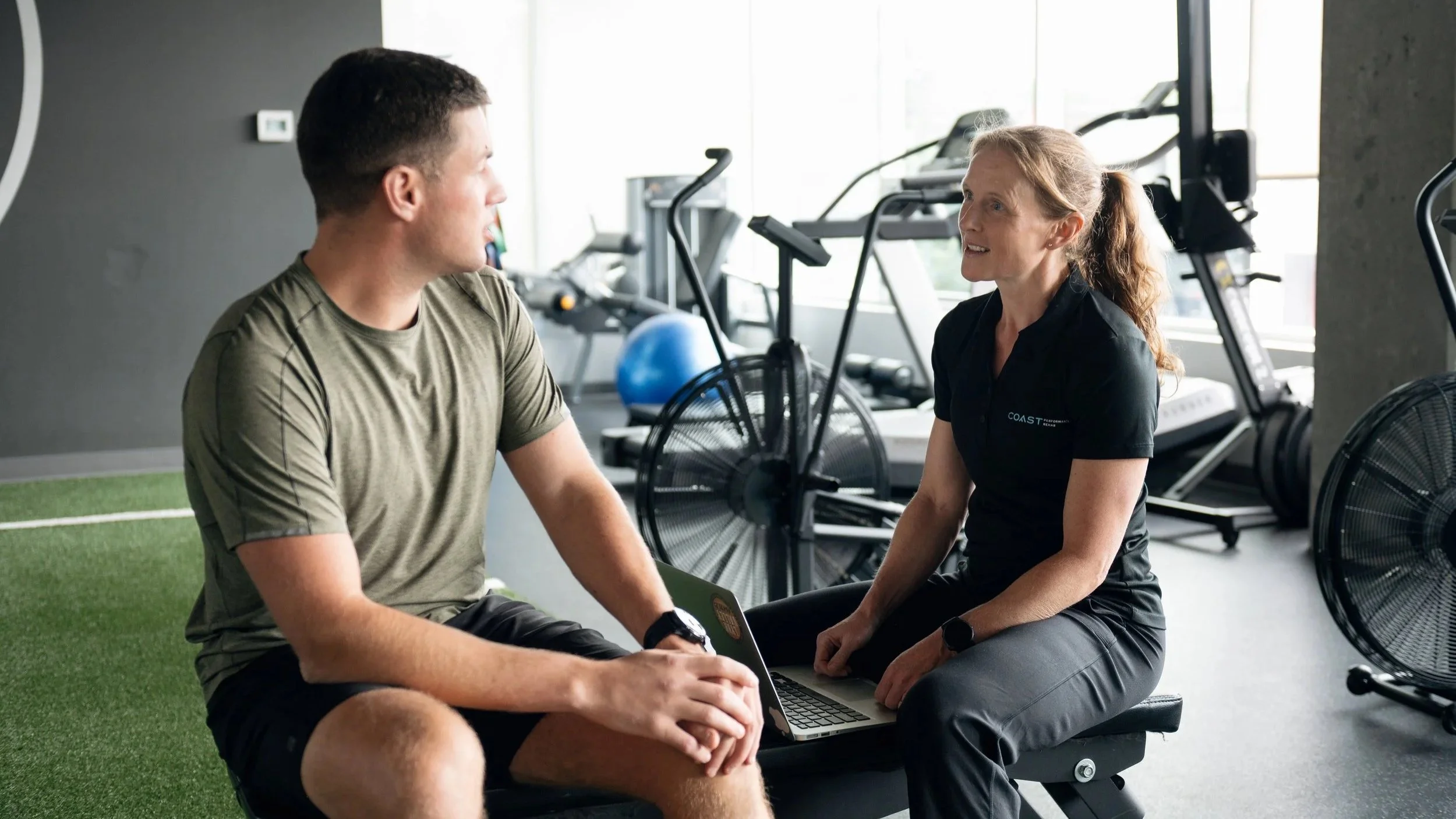
A Thorough Evaluation
A concussion specialist will assess:
Balance and vestibular (inner ear) function
Vision and eye-tracking
Neck mobility
Cognitive performance
Exercise tolerance
Sleep and mood patterns
This helps pinpoint your unique symptom drivers—because not all concussions are the same.
A Personalized Treatment Plan
A good rehab plan often includes:
Guided aerobic exercise to help recalibrate the autonomic nervous system
Vestibular therapy for dizziness or motion sensitivity
Vision therapy for difficulty focusing, reading, or screen use
Neck treatment for headaches and stiffness
Cognitive pacing strategies to manage school, work, or daily tasks
Sleep and stress management for improved recovery
You won’t be doing all of these—just what’s right for your symptom profile.
Gradual Return to Activity
Expect a step-by-step plan that increases physical and mental challenge as your brain heals. You should feel supported—not pressured—to progress at the right pace.
Education and Reassurance
An important (and often overlooked) part of rehab is helping you understand what’s happening. When you know what to expect, recovery feels less scary and more manageable.
Signs You’re Making Progress
Progress isn’t always linear, but common positive indicators include:
Symptoms fade faster after activity
You can do more before symptoms appear
Sleep and mood improve
Screens, reading, or busy environments feel easier
You tolerate more exercise or daily tasks
Small steps count. Healing is happening—even if it doesn’t feel dramatic day-to-day.
When to Seek Professional Help
If symptoms last longer than two weeks—or if you feel stuck in recovery—working with a concussion-trained provider can make a significant difference. Early treatment often leads to faster, more complete recovery.
Concussion rehab isn’t about hiding in a dark room or pushing through pain. It’s about guided activity, personalized care, and steady progress. With the right support, clarity, and plan, you can move forward with confidence—whether you're an athlete eager to return to play, a parent supporting a child, or someone healing from an unexpected injury.
If you’re looking for expert guidance, COAST Performance Rehab offers comprehensive concussion rehabilitation, providing personalized assessment, targeted treatment, and a structured path to recovery so you don’t have to navigate the process alone.
Take the First Step Toward Recovery
Don’t wait to get the support you need. Our experienced rehab professionals at COAST are here to guide you through each phase of concussion recovery with clarity and care. Book your appointment today and get back to feeling like yourself—safely and confidently.
