An effective recovery routine doesn’t require fancy equipment or a professional clinic setup. In fact, some of the most impactful tools for reducing soreness, improving mobility, and supporting tissue health are items many people already have at home. When used properly, these simple tools can help you move better, feel better, and stay consistent with your training or rehabilitation plan.
Below, we break down five practical, easy-to-use recovery tools, how they work, and how you can incorporate them into your routine.
1. Foam Roller
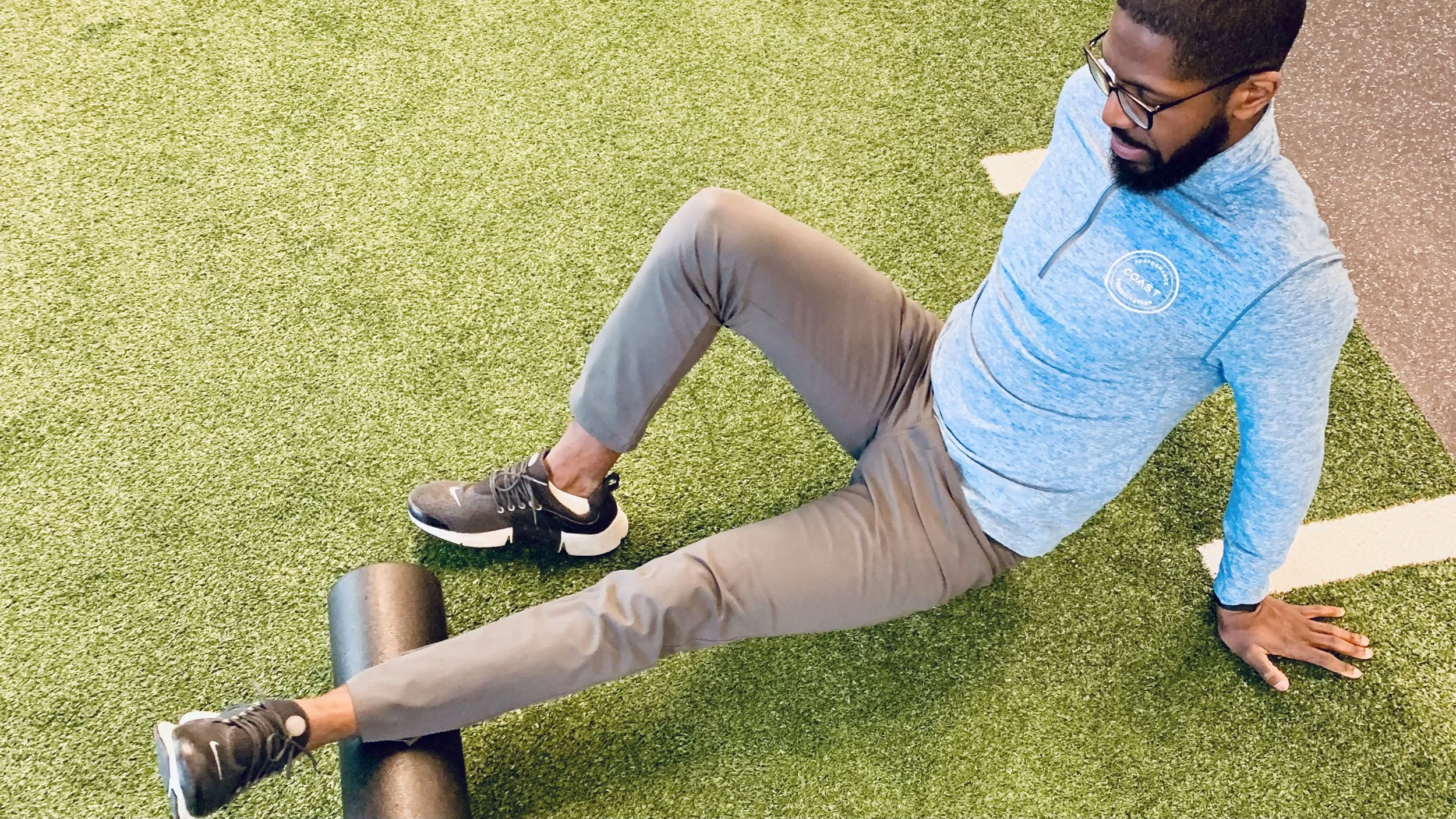
A foam roller is one of the most versatile recovery tools. Whether you’re dealing with tight quads, stiff thoracic spine, or sore calves, foam rolling helps increase blood flow and decrease muscle tension.
How to use it:
Move slowly over the muscle group, pausing for 20–30 seconds on tender spots.
Keep your movements controlled to avoid aggravating sensitive tissues.
Start with 1–2 minutes per area.
Why it works:
Foam rolling provides a form of self-myofascial release that helps improve tissue quality, reduce delayed-onset muscle soreness, and increase mobility in key regions.
2. Massage Ball or Lacrosse Ball
If you want targeted pressure to release deeper trigger points or hard-to-reach areas, a simple ball works wonders. Most people already have a tennis ball, lacrosse ball, or massage ball at home.
How to use it:
Place the ball under the area you want to treat (hips, glutes, shoulders, feet).
Gently lean into the ball and make small movements until you find a tender spot.
Hold pressure there for 20–45 seconds.
Why it works:
By applying direct pressure, you help release local tension and improve tissue mobility, which can enhance joint movement and reduce compensations.
3. Resistance Bands
Resistance bands aren’t just for strength—they’re excellent for mobility and recovery work. They help support joint health, provide traction, and enable controlled strengthening for stabilizing muscles.
How to use them:
Use light bands for mobility drills (e.g., banded joint distractions, shoulder mobility exercises).
Use medium-strength bands for activation work, such as glute or rotator cuff exercises.
Perform slow, controlled reps to promote neuromuscular activation.
Why they work:
Bands increase blood flow, reinforce movement patterns, and help restore strength and stability to underactive muscle groups—key components of injury prevention and recovery.
4. Heat or Cold Packs
Many households already have reusable heat or cold packs tucked away in a drawer. Both can support recovery when used appropriately.
How to use them:
Heat: Use 10–20 minutes to relax stiff muscles, improve circulation, and prepare tissues for mobility work.
Cold: Apply for 10–15 minutes to calm acute irritation or reduce inflammation after a flare-up or new strain.
Why they work:
Thermal therapy helps regulate blood flow, decrease pain, and support tissue healing. Heat loosens, cold calms—use each strategically based on your symptoms.
5. Stretching Strap or Towel
Even a simple towel can act as a stretching aid to improve flexibility and restore range of motion.
How to use it:
Use as an extension of your arms to assist with hamstring, quad, or calf stretches.
Apply gentle tension without forcing the stretch.
Hold each stretch for 20–30 seconds, focusing on slow breathing.
Why it works:
Assisted stretching helps reduce muscle tightness and retrain tissues to move through a full, healthy range of motion—essential for both injury rehab and athletic performance.
Bringing It All Together
From mobility essentials to simple self-treatment aids, these tools support tissue health, reduce soreness, and enhance overall movement quality. Whether you’re managing an injury, recovering from training, or simply aiming to move better day-to-day, these at-home strategies can make a meaningful difference.
You don’t need to overhaul your routine—just start with one or two tools and build from there. Consistency is the most important factor, and the more you integrate these practices, the better you’ll feel.
Need Help Building a Recovery Routine That Works?
Our rehab professionals at COAST can help you choose the right mobility and recovery tools for your body and goals.
If you're dealing with an injury or looking to optimize your performance, we’ll create a plan that fits your lifestyle and keeps you moving well in North Vancouver, Kitsilano, and Squamish.
Book a session today and take the guesswork out of recovery.
