
A concussion can affect much more than your head. Headaches, dizziness, neck pain, fatigue, difficulty concentrating, and reduced exercise tolerance can interfere with work, school, sport, and everyday life. While some people recover quickly, others experience persistent symptoms that make returning to normal activities more challenging.
Effective concussion rehabilitation starts with understanding how the injury is affecting you. At COAST Performance Rehab in North Vancouver, our Multidisciplinary Concussion Rehabilitation Program combines physiotherapy, chiropractic care, and athletic therapy to address the different systems that may be contributing to your symptoms.
Our goal is to help you regain function, rebuild your tolerance for activity, and return to the things you enjoy.
Understanding Concussion Symptoms
A concussion is a mild traumatic brain injury that can occur following a direct blow to the head or a force transmitted to the head through the body. Concussions can happen during sport, in motor vehicle accidents, at work, or through everyday activities.
Symptoms vary from person to person and may include headaches, dizziness, balance difficulties, visual disturbances, neck pain, fatigue, brain fog, difficulty concentrating, sensitivity to light or noise, and changes in sleep or mood.
These symptoms can overlap. For example, headaches may be associated with the concussion itself, neck dysfunction, or a combination of factors. Dizziness may involve the vestibular system, visual function, or other contributing issues.
Understanding which systems are affected is an important step in developing an effective rehabilitation plan.
Why a Multidisciplinary Approach Matters
No two concussions are exactly alike. A multidisciplinary approach brings together practitioners with different areas of expertise to assess and address your individual symptoms and functional challenges.
At COAST Performance Rehab, our concussion rehabilitation team includes physiotherapy, chiropractic care, and athletic therapy.
Depending on your assessment findings, treatment may focus on several areas:
Vestibular function and balance: Dizziness and balance difficulties can make everyday activities and exercise challenging. Targeted vestibular rehabilitation may help improve balance, coordination, and tolerance for movement.
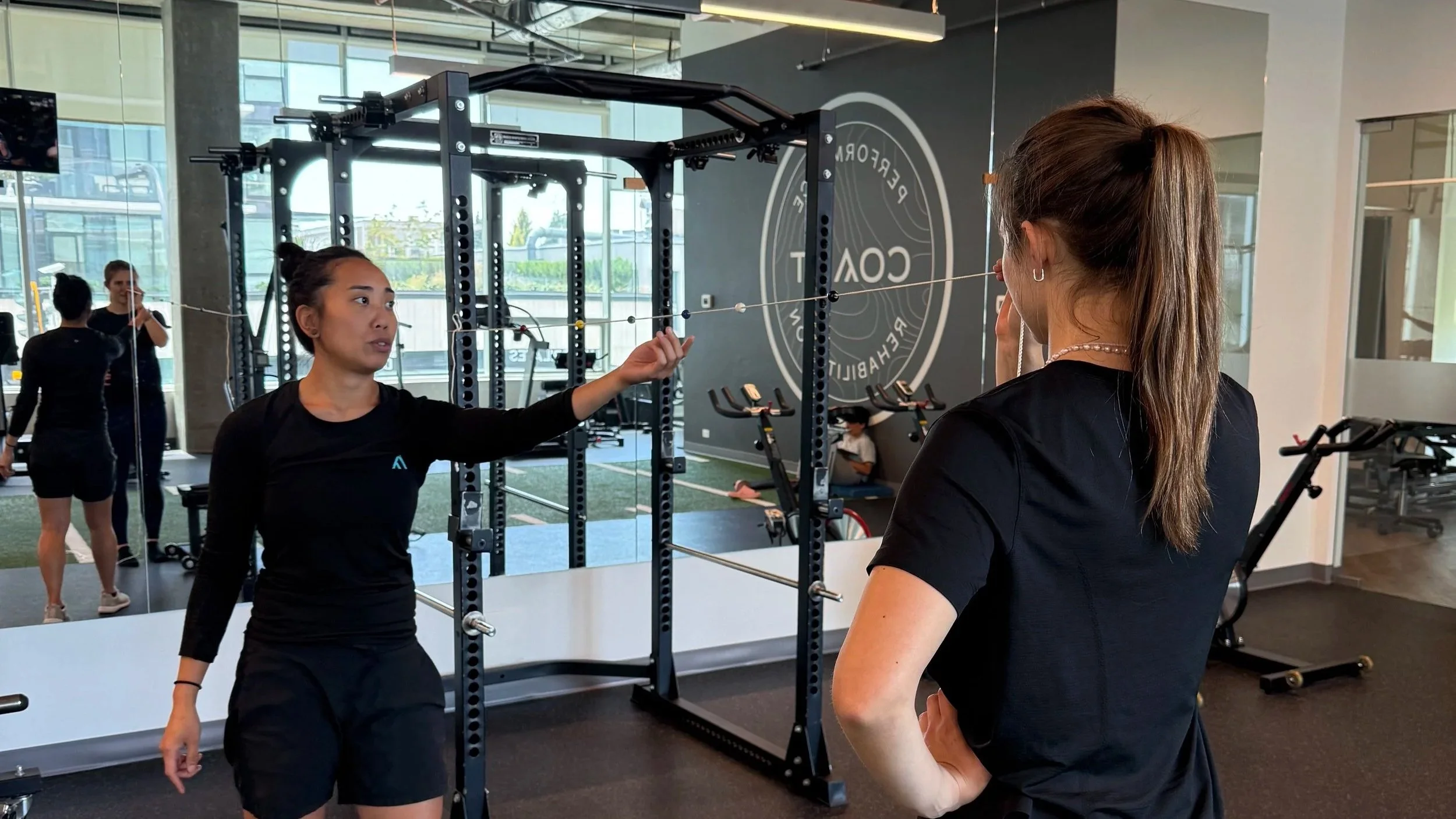
Visual function: Some people experience difficulty tracking moving objects or coordinating their eye movements. Appropriate exercises may help address these challenges when visual dysfunction is identified.
Neck pain and headaches: Neck stiffness and reduced cervical mobility can contribute to pain and headaches following a concussion. Treatment may include individualized mobility exercises, manual therapy, and other appropriate interventions.
Exercise tolerance and fatigue: Returning to physical activity too quickly can aggravate symptoms, while prolonged inactivity may not support optimal recovery. A gradual, symptom-guided exercise program can help rebuild physical capacity.
Cognitive function, sleep, and mood: Difficulty concentrating, disrupted sleep, and changes in mood can affect daily life. Recognizing these concerns helps the team determine when additional support or medical assessment may be appropriate.
Addressing these areas together allows rehabilitation to focus on your overall function rather than treating each symptom in isolation.
What to Expect From Concussion Rehabilitation
1. A Comprehensive Assessment
Your rehabilitation begins with an assessment of your injury history, symptoms, and functional limitations. Depending on your presentation, this may include evaluating balance, vestibular function, visual tracking, neck mobility, coordination, and exercise tolerance.
This helps identify potential contributors to your symptoms and establish appropriate rehabilitation priorities.
2. An Individualized Treatment Plan
Your treatment plan is tailored to your assessment findings, lifestyle, and recovery goals. It may include vestibular exercises, balance training, neck treatment, progressive aerobic exercise, and functional movement training.
Your plan is adjusted as your symptoms and physical capacity change. When multiple practitioners are involved, coordinated care helps keep your rehabilitation focused on your overall goals.
3. A Gradual Return to Activity
Returning to work, school, exercise, and sport requires a thoughtful progression. Your rehabilitation team can help you determine appropriate activity levels, monitor your response, and progress your program as tolerated.
For athletes, returning to sport generally involves a stepwise progression, with appropriate medical guidance and clearance before returning to competition.
Who Can Benefit From Concussion Rehabilitation?
COAST's concussion rehabilitation program may benefit youth and adult athletes, active individuals, and people experiencing persistent symptoms following a concussion. Rehabilitation may also be helpful when symptoms interfere with work, school, exercise, or everyday activities.
If headaches, dizziness, fatigue, or difficulty concentrating are affecting your routine, an assessment can help identify potential treatment options and guide your next steps.
Anyone with a suspected concussion should seek appropriate medical assessment. Rehabilitation complements medical care and should be guided by individual needs.
Start Your Concussion Recovery at COAST Performance Rehab
Concussion recovery is different for everyone. An individualized approach can help address your specific symptoms, restore function, and support a safe return to the activities that matter to you.
At COAST Performance Rehab in North Vancouver, our multidisciplinary team takes a movement-focused approach to concussion rehabilitation, helping you work toward your personal recovery and performance goals.
Learn more about our Multidisciplinary Concussion Rehabilitation Program and take the next step toward recovery.
