
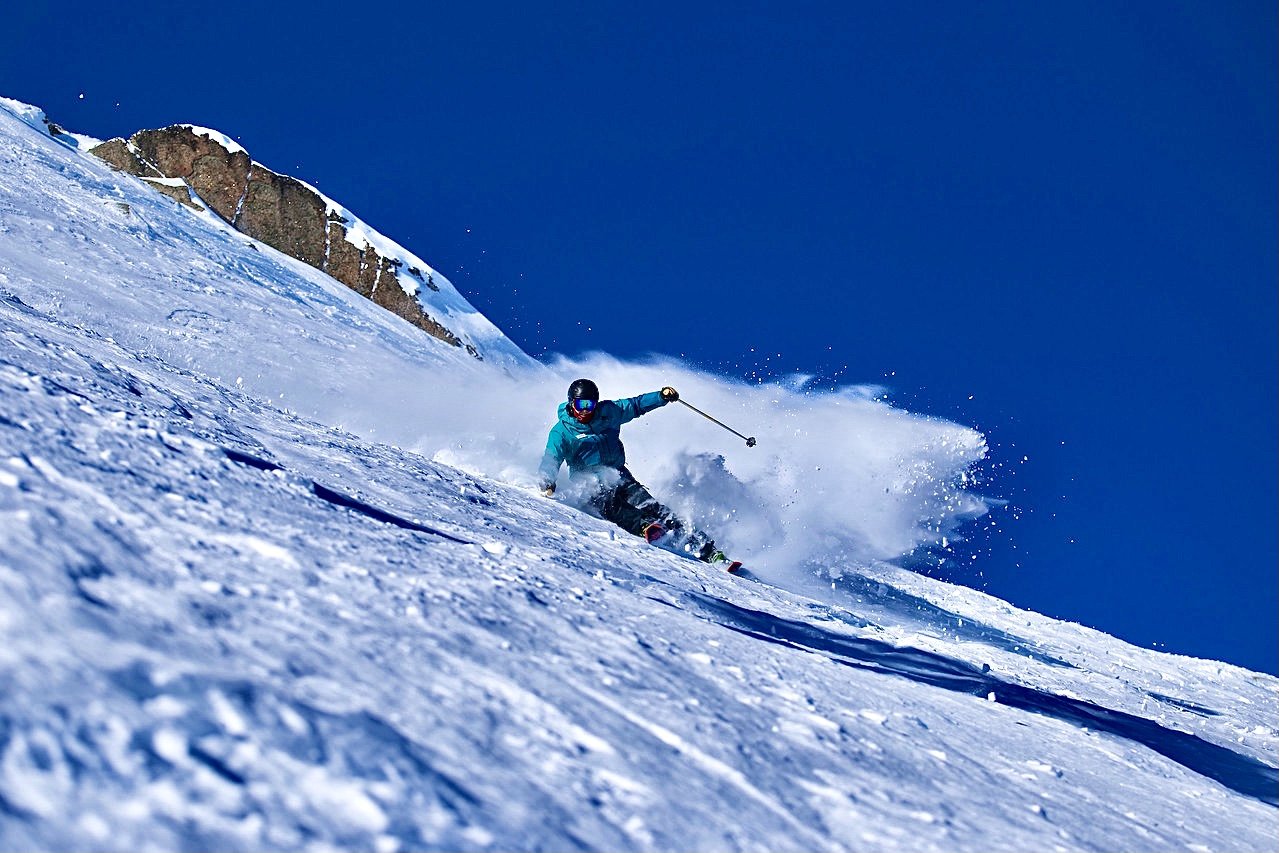
After last year's disappointing snow season, it’s time to be optimistic heading into winter. With another ski and snowboard season on the horizon, now is the time to get your body ready for the mountain.
Whether you're skiing at Whistler Blackcomb, Grouse Mountain, Cypress, Mount Seymour or heading up to the Sea to Sky, a successful season starts before you clip into your bindings.
Skiing and snowboarding place significant demands on your body. Strong legs, good balance, core stability and cardiovascular endurance all help you manage challenging terrain, maintain control and reduce your risk of injury.
The good news? A little preparation now can make a big difference once the snow starts falling.
5 Ways to Get Your Body Ready for Ski Season
1. Build lower-body strength
Your quadriceps, hamstrings, glutes and calves work hard to maintain control, absorb impact and manage the repetitive demands of skiing and snowboarding. Incorporate squats, lunges, split squats and Romanian deadlifts into your training to build strength and muscular endurance.
2. Improve balance and stability
Uneven terrain, quick turns and unexpected movements require good balance and coordination. Single-leg squats, lateral lunges and single-leg balance exercises can help improve stability and movement control.
3. Strengthen your core
Your core helps stabilize your trunk, transfer force between your upper and lower body, and maintain control through turns and dynamic movements. Include planks, side planks, dead bugs and rotational exercises in your routine.
4. Improve mobility
Good mobility through your hips, ankles and thoracic spine helps you move efficiently and maintain the positions required for skiing and snowboarding. Incorporate dynamic mobility exercises into your regular warm-up.
5. Build cardiovascular fitness
A full day on the mountain requires more than strength. Cycling, running, hiking and interval training can help develop the cardiovascular fitness and muscular endurance needed to maintain performance throughout the day.
When Should You Start Training?
Ideally, start preparing six to eight weeks before your first day on the mountain. Aim for two to three strength sessions per week, alongside cardiovascular conditioning and regular mobility work.
If you've had a previous injury, particularly involving your knees, hips, back or shoulders, consider getting assessed before the season begins. Addressing lingering weaknesses or movement restrictions now can help you return to the mountain with greater confidence.
Get Mountain Ready with COAST Performance Rehab
Whether you're a weekend warrior at Cypress, a regular at Grouse or Seymour, or making the drive up the Sea to Sky to ski Whistler, your season starts with preparation.
At COAST Performance Rehab, our multidisciplinary team offers physiotherapy, athletic therapy, chiropractic care and exercise-based rehabilitation to help you build strength, improve movement and recover from injury.
Don't wait until you're dealing with pain or sitting out your first powder day to start thinking about your physical preparation.
Get ahead of ski season. Book an appointment with COAST Performance Rehab in North Vancouver, Vancouver or Squamish and get your body ready for a stronger season on the mountain.
