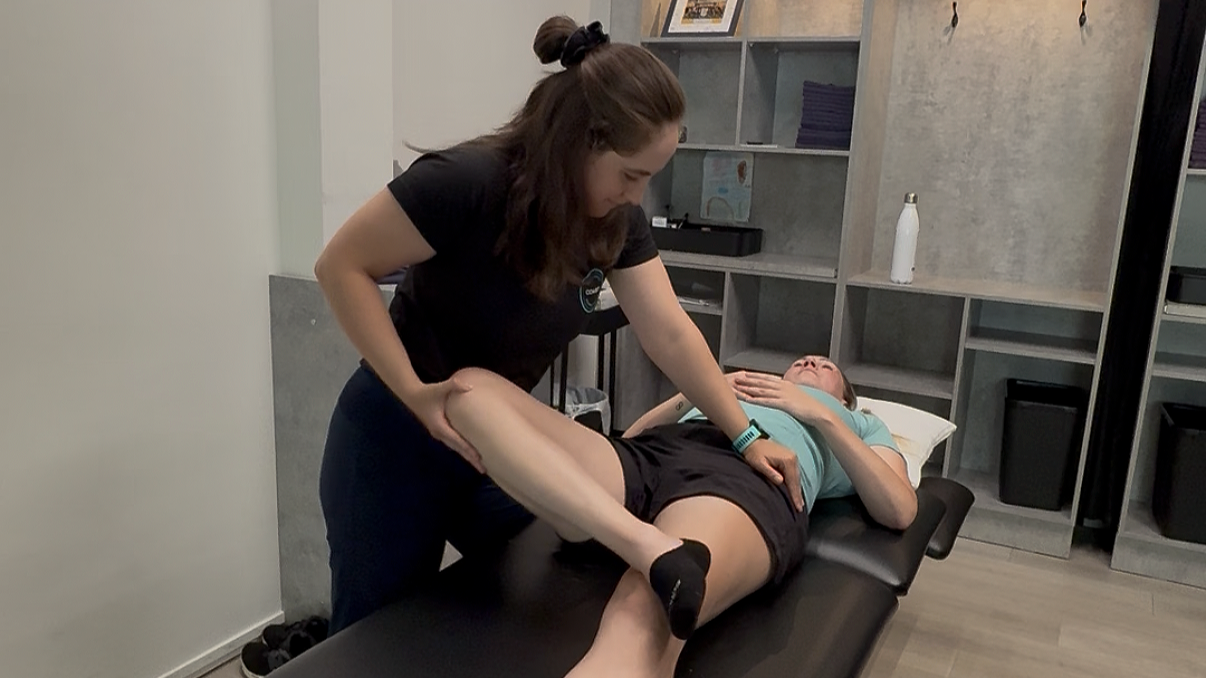
Joint replacement surgery, also known as arthroplasty, can be life-changing for people living with chronic joint pain, arthritis, or reduced mobility. Whether you've undergone a hip replacement, knee replacement, or shoulder replacement, the surgery is only the first step. A structured rehabilitation program plays a critical role in restoring movement, rebuilding strength, and helping you return to the activities you enjoy.
At Coast Performance Rehab, our team of physiotherapists, chiropractors, registered massage therapists, and athletic therapists work together to help patients recover safely and confidently after joint replacement surgery.
What Is Arthroplasty?
Arthroplasty is a surgical procedure that replaces or reconstructs a damaged joint. The most common procedures include:
Total knee replacement
Total hip replacement
Shoulder replacement
Partial joint replacements
Most arthroplasty procedures are performed to relieve pain caused by osteoarthritis, rheumatoid arthritis, traumatic injury, or joint degeneration. While surgery addresses the damaged joint, rehabilitation is what helps you regain function and independence.
Why Rehabilitation Matters
Modern joint replacement surgeries are highly successful, but the quality of your recovery depends largely on your rehabilitation.
Without guided rehabilitation, patients may experience:
Joint stiffness
Muscle weakness
Poor balance
Difficulty walking or climbing stairs
Delayed return to work or recreation
Increased risk of falls
A personalized rehabilitation program helps restore normal movement patterns while protecting the new joint during healing.
The Stages of Arthroplasty Rehabilitation
Early Recovery (Weeks 1-2)
The initial focus is on protecting the joint while beginning gentle movement.
Goals include:
Managing pain and swelling
Restoring basic range of motion
Walking safely with an assistive device if needed
Learning safe transfers and movement techniques
Preventing complications such as blood clots and excessive stiffness
Simple exercises performed several times each day help stimulate circulation and prevent muscle loss.
Building Strength and Mobility (Weeks 2-8)
As healing progresses, rehabilitation becomes more active.
Treatment often includes:
Progressive strengthening exercises
Balance and stability training
Improving walking mechanics
Increasing flexibility
Functional exercises for daily activities
Your therapist will gradually increase the difficulty of exercises based on your progress rather than following a fixed timeline.
Returning to Normal Activities (2-6 Months)
During this stage, patients focus on regaining confidence and returning to everyday life.
Rehabilitation may include:
Stair climbing
Squatting and sit-to-stand movements
Recreational walking
Cycling
Sport-specific or work-specific exercises when appropriate
Many patients feel significantly better within three months, although full recovery can continue for up to a year depending on the joint replaced and individual health factors.
Common Challenges During Recovery
Recovery isn't always linear. Some temporary setbacks are completely normal.
Patients commonly experience:
Swelling after increased activity
Muscle soreness
Fatigue
Reduced confidence with movement
Temporary stiffness, especially in the morning
Working with a rehabilitation professional helps determine whether these symptoms are a normal part of healing or require further assessment.
How Physiotherapy Helps After Joint Replacement
Physiotherapy is considered one of the most important components of successful arthroplasty recovery.
Your physiotherapist will:
Assess your mobility and movement patterns
Restore joint range of motion
Improve strength and balance
Correct compensatory movement habits
Progress exercises safely
Monitor healing and recovery milestones
Help you return to work, sports, and recreational activities
Treatment is always tailored to your surgery, health history, and personal goals.
The Role of Chiropractic Care
Following clearance from your surgeon, chiropractic care may support recovery by addressing areas of the body that often compensate after surgery.
A chiropractor may help improve:
Spine mobility
Pelvic alignment
Movement mechanics
Muscle tension surrounding the surgical area
Overall functional movement
Treatment focuses on optimizing how the body moves as a whole rather than treating only the replaced joint.
How Registered Massage Therapy Can Help
Soft tissue restrictions often develop before surgery due to months or years of altered movement patterns.
Registered Massage Therapy (RMT) may help:
Reduce muscle tension
Improve circulation
Decrease post-operative swelling (when appropriate)
Improve flexibility
Promote relaxation
Reduce discomfort in surrounding muscles
Massage is typically used alongside an active rehabilitation program rather than as a standalone treatment.
Athletic Therapy for Functional Recovery
Athletic therapists help bridge the gap between rehabilitation and returning to higher-level activities.
For active adults, athletic therapy can assist with:
Functional strength training
Balance and agility
Return-to-work conditioning
Recreational sport preparation
Fall prevention strategies
Movement retraining
This is particularly valuable for patients hoping to return to hiking, skiing, golf, pickleball, cycling, or other recreational pursuits.
What Can You Do to Improve Your Recovery?
Your commitment to rehabilitation makes a significant difference.
To support your recovery:
Perform your prescribed home exercises consistently.
Stay active within your recommended limits.
Manage swelling with rest, elevation, and ice when advised.
Attend your scheduled rehabilitation appointments.
Gradually increase activity instead of doing too much too soon.
Communicate any concerns or unexpected symptoms to your healthcare team.
Recovery is a gradual process, and small improvements add up over time.
When Should You Seek Professional Help?
While some discomfort is expected after surgery, you should contact your healthcare provider if you experience:
Increasing pain that does not improve
Significant redness or warmth around the incision
Fever
Sudden swelling in the calf
Difficulty bearing weight after previously progressing well
Loss of motion that continues to worsen
Early assessment can help identify potential complications and keep your recovery on track.
Recover Stronger with Coast Performance Rehab
Joint replacement surgery is an important milestone, but rehabilitation is what helps you regain confidence in your movement and return to the activities that matter most.
At Coast Performance Rehab, our collaborative team of physiotherapists, chiropractors, registered massage therapists, and athletic therapists provides individualized rehabilitation programs designed to support every stage of recovery. Whether your goal is walking without pain, returning to work, or getting back to your favourite sport, we'll help guide your recovery with evidence-based care and personalized treatment.
Ready to Begin Your Recovery?
If you've recently had a hip, knee, or shoulder replacement—or you're preparing for surgery—our rehabilitation team is here to help you achieve the best possible outcome.
